

Fused Deposition Modeling (FDM) is the most widely adopted 3D printing technology in the world. Known for its affordability, versatility, and ease of use, FDM 3D printing builds objects layer by layer by melting thermoplastic filament and extruding it through a heated nozzle. Whether you’re a hobbyist looking for a 3D printer for beginners or an engineer seeking functional prototyping solutions, FDM offers an accessible entry point into additive manufacturing.
FDM technology is found everywhere — from at-home desktop printers to large-scale industrial print farms. Brands like Bambu Lab, Prusa, and Creality have revolutionized the consumer space, making FDM printing services more reliable and accessible than ever before.
What Can You Print with FDM?
FDM 3D printing excels at creating strong, functional parts for both prototyping and end-use applications:
- Functional prototypes and mechanical parts – Durable components for engineering and product design validation
- Props and cosplay accessories – Large, lightweight costume pieces at affordable prices
- Home decor and utility items – Custom storage solutions, organizers, and household accessories
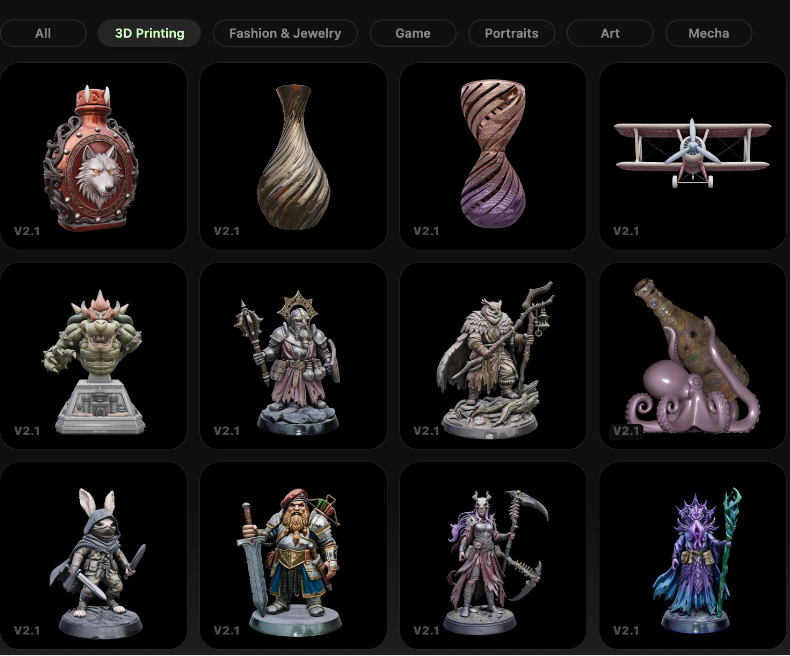
- Tabletop gaming and articulated models – Miniatures, game pieces, and flexible models with moving joints
FDM Materials: From PLA to Polycarbonate
One of the biggest advantages of FDM filament printing is the wide range of materials available:
| Material | Best For | Key Properties |
|---|---|---|
| PLA | Beginners, prototypes, figurines | Easy to print, biodegradable, vibrant colors |
| ABS | Mechanical parts, enclosures | Tough, impact-resistant, heat-resistant |
| PETG | Wearables, medical devices | Flexible, chemical-resistant, durable |
| ASA | Outdoor components | UV-resistant, weatherproof |
| Polycarbonate (PC) | Engineering parts | High-strength, heat-resistant |
How Does FDM Printing Work?
The FDM printing process follows a straightforward workflow:
- Thermoplastic filament is fed into a heated nozzle
- The nozzle melts and extrudes material onto a build platform
- The printer moves layer by layer, depositing melted material
- Material cools and solidifies, bonding each layer
- Support structures are added for overhangs when needed
FDM Design Guidelines
For successful FDM model preparation, follow these key specifications:
Why Choose FDM Printing on Hi3D?
At Hi3D, we make online 3D printing simple and affordable. Hi3D’s advantage lies in quickly obtaining models ready for FDM printing — generate the models you want through AI-powered image-to-3D technology, with no prior modeling experience required.
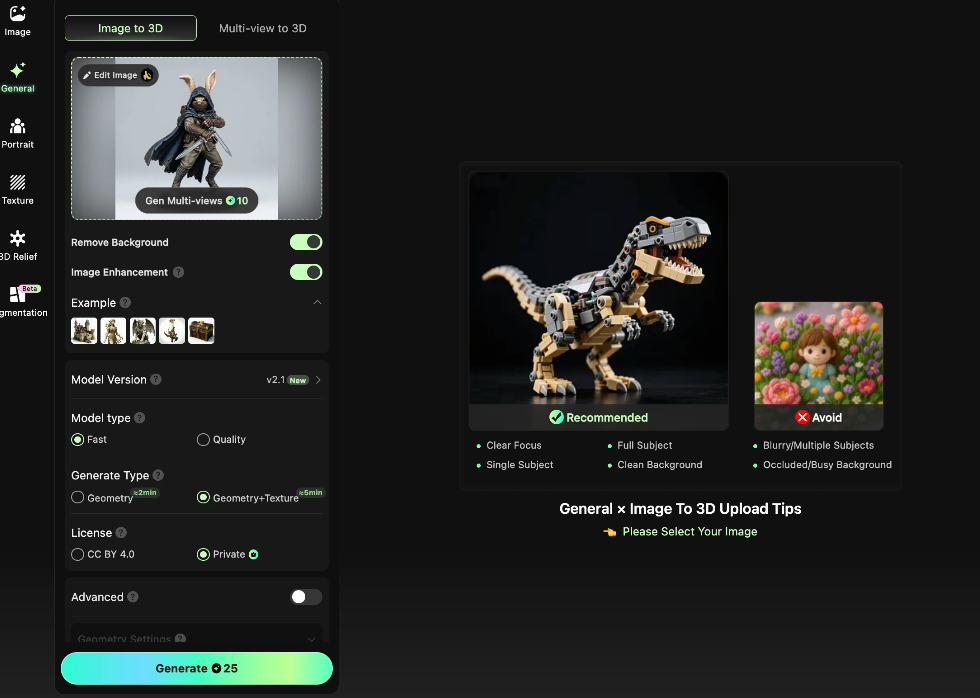
Supports free downloads (FBX/OBJ/3MF/GLB/STL formats), one-click send to printer, and fast AI-powered printability checking and repair.
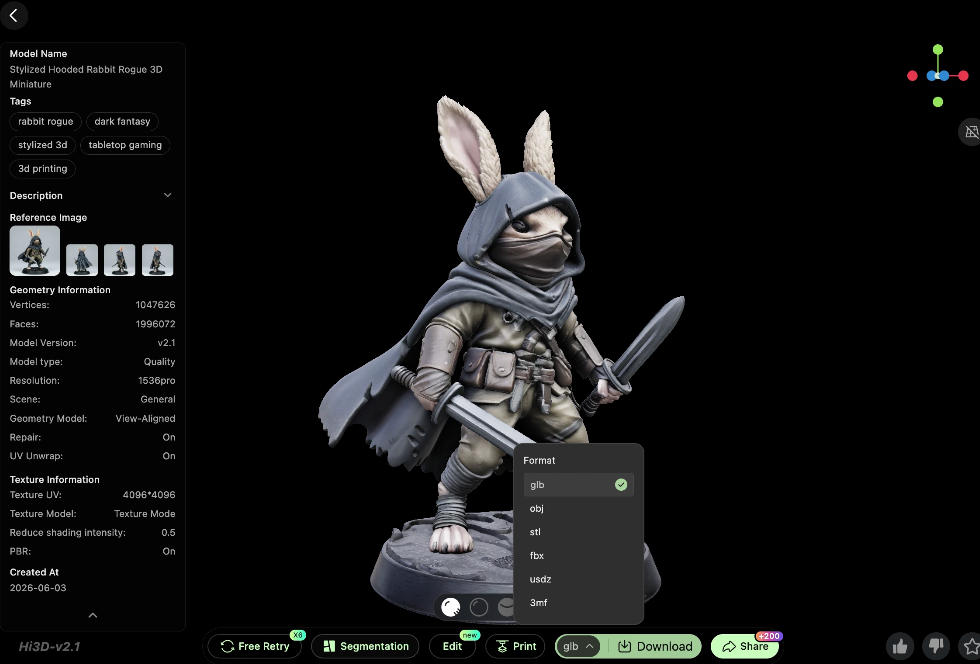
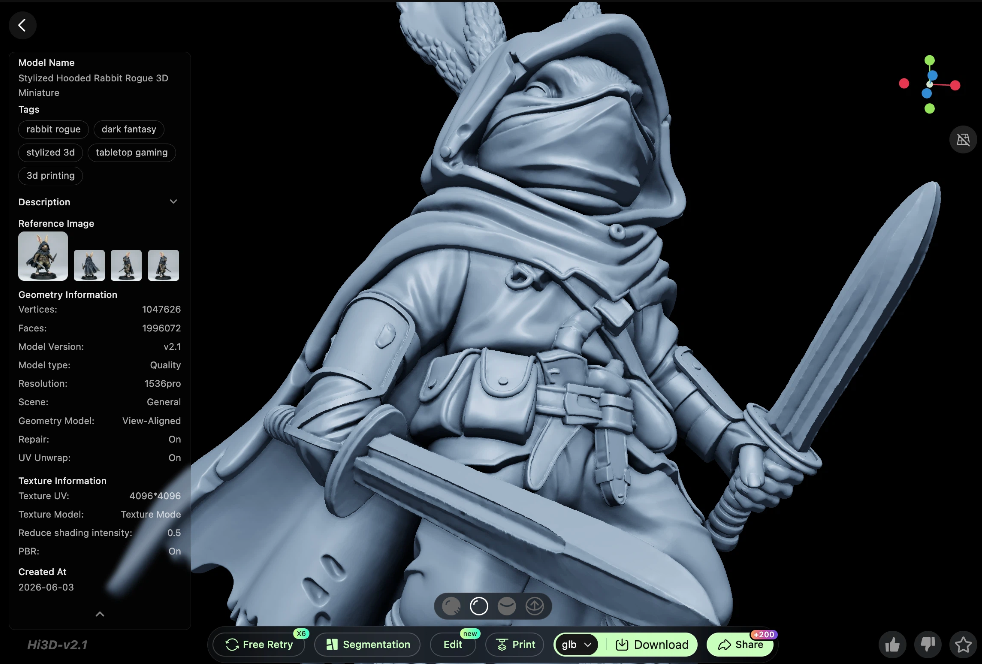
The generated models are high-precision and ready to print without additional fixing.
Click the sidebar card, then click Sign Up to start your creative journey for free.