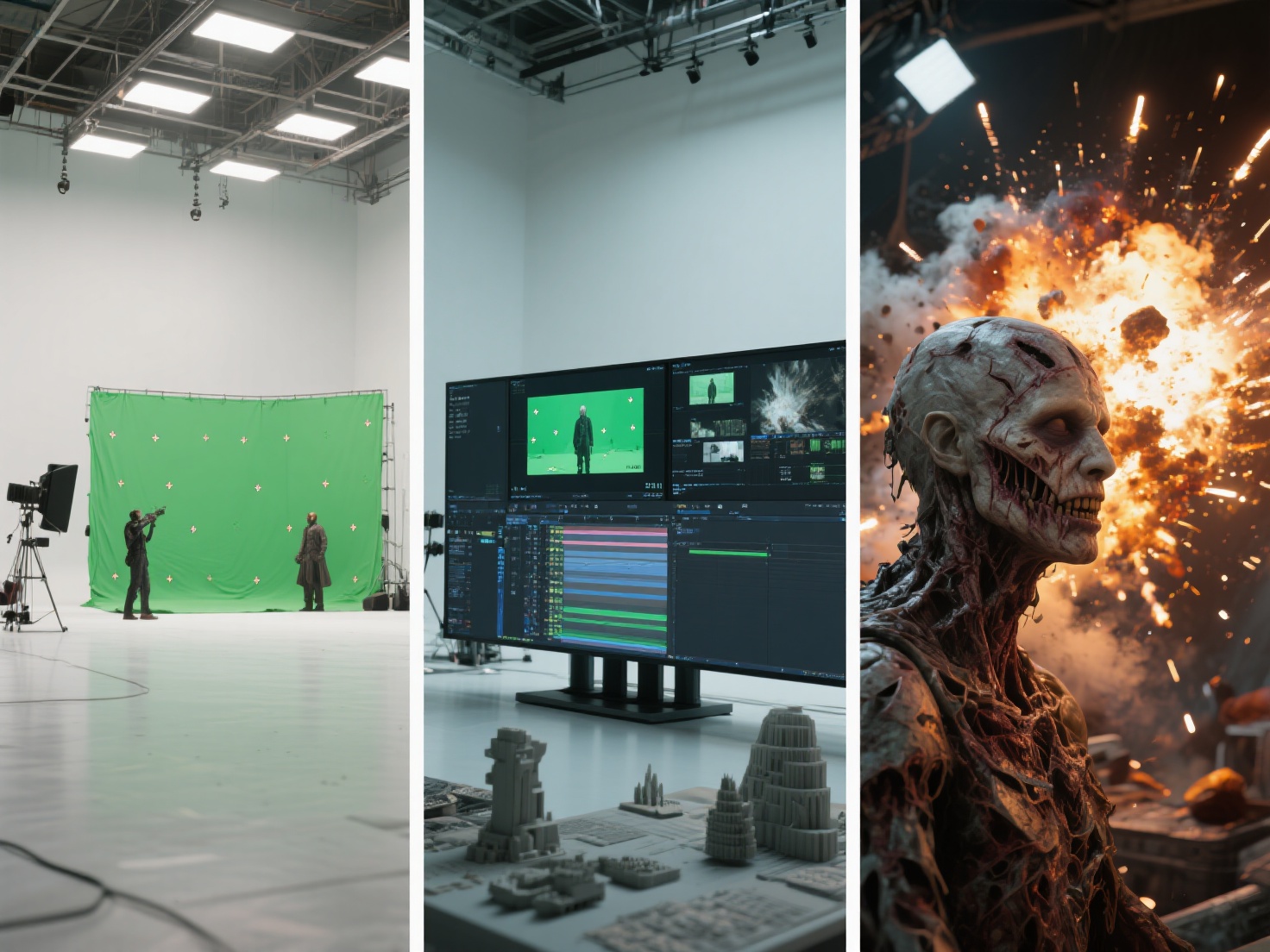
The visual effects industry is undergoing a seismic shift. For decades, achieving photorealistic computer-generated imagery (CGI) required massive budgets, enormous render farms, and thousands of hours of manual labor. However, as we look toward the future of VFX, the landscape is being radically transformed by artificial intelligence, real-time game engines, and innovative hardware.
For VFX professionals, film producers, and technology enthusiasts, staying ahead of the VFX trends 2026 is no longer optional—it is critical for survival. Whether you are aiming to leverage AI visual effects to cut down production time or looking to integrate the latest virtual production trends into your next indie film, the tools available today are democratizing high-end creation. In this article, we will explore the 10 major trends dictating the future of visual effects and how you can prepare your pipeline for what comes next.
What is the Future of VFX? (Core Definition)
The future of VFX is the seamless integration of artificial intelligence, real-time rendering, and virtual production technologies to automate repetitive tasks, dramatically lower production costs, and empower creators to achieve photorealistic visuals with unprecedented speed and geometric accuracy.
Rather than replacing human creativity, these emerging technologies act as an extension of the artist, shifting the focus from tedious manual pixel-pushing to high-level art direction and storytelling.
10 Key VFX Trends Reshaping the Industry in 2026
The coming years will see an acceleration of technology that blurs the line between pre-production, production, and post-production. Here are the 10 trends you need to watch.
1. AI-Powered 3D Asset Generation
Historically, modeling a production-ready 3D asset for a background prop or mid-ground element could take a senior artist several days. By 2026, AI-driven 3D generation will be the standard for populating virtual worlds.
This is where platforms like Hitem3D are leading the revolution. As a next-generation AI-powered 3D model generator, Hitem3D allows VFX artists to upload a single 2D image (or 2–4 multi-view images) and instantly generate high-fidelity, production-ready 3D models. Built on their proprietary Sparc3D (high precision) and Ultra3D (high efficiency) AI models, it solves one of the biggest pain points in AI modeling: it intelligently reconstructs invisible and hidden parts beyond the visible surfaces, ensuring full geometric accuracy. With support for up to 1536³ Pro resolution (up to 2M polygons) and exports in industry-standard formats (GLB, OBJ, STL, FBX, USDZ), generating background and prop assets is now a matter of minutes, not days.
2. Generative AI for Background Environments and Textures
Beyond geometry, AI is revolutionizing how we apply materials. Traditional texture mapping requires meticulous painting and photography. Now, AI is capable of generating seamless, ultra-high-resolution textures from text prompts or reference images.
Crucially for VFX pipelines, tools like Hitem3D now offer AI Texturing with De-Lighted processing. In standard photogrammetry or basic AI generation, lighting and shadows are often “baked” into the texture, making the asset useless when placed in a new lighting environment. De-Lighted technology intelligently removes these baked-in shadows, providing true relightable 4K PBR (Physically Based Rendering) materials that react perfectly to dynamic studio lighting.
3. Real-Time Rendering Replacing Offline Rendering
The days of waiting 24 hours to render a single frame are ending. Powered by advancements in GPU technology, real-time rendering is rapidly approaching the photorealistic quality previously reserved for offline renderers like Arnold or V-Ray. This shift allows directors to see final-pixel quality instantly, enabling on-the-fly lighting and camera adjustments that drastically reduce post-production timelines.
4. Virtual Production Trends and LED Volumes Going Mainstream
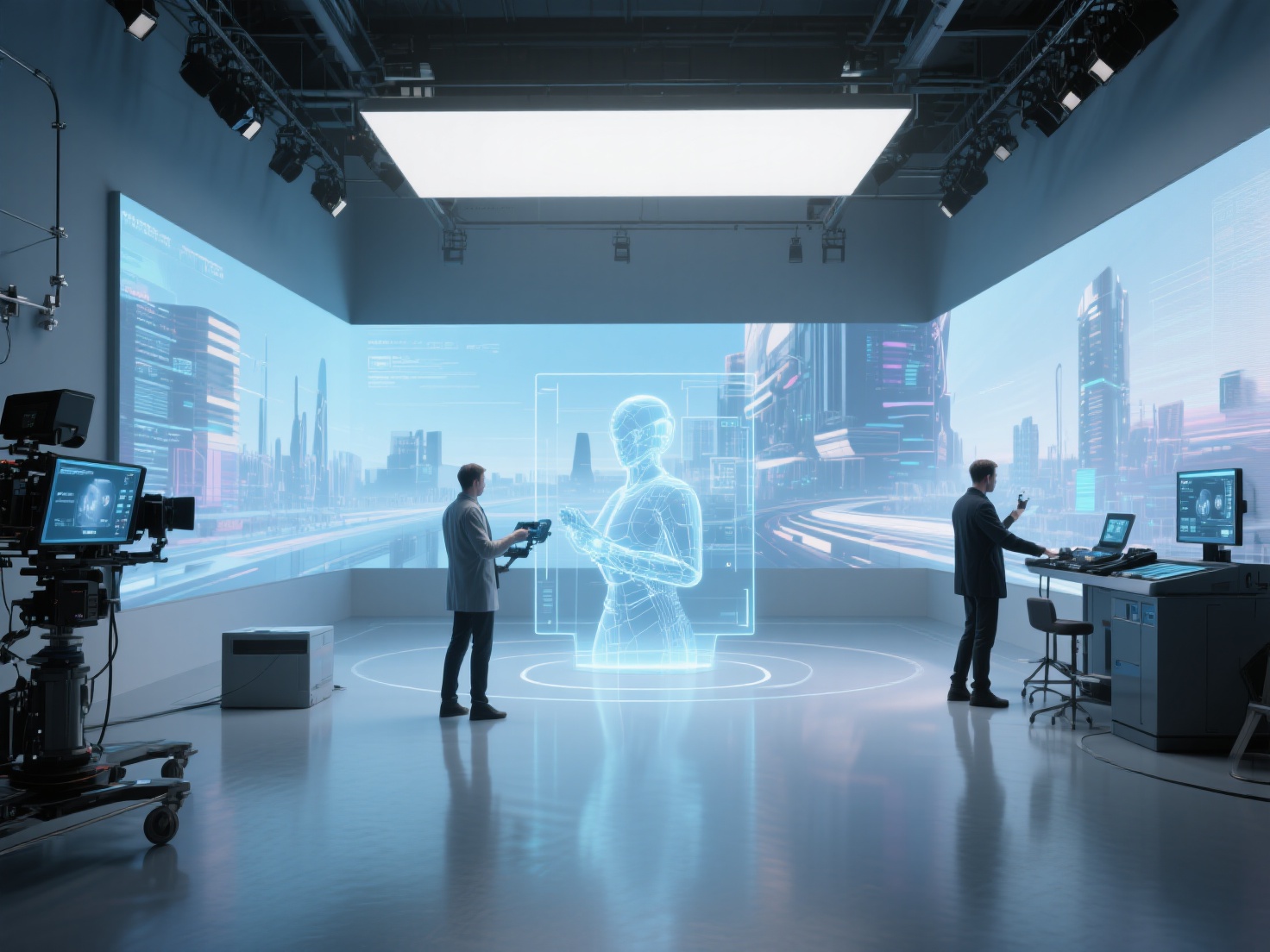
Since The Mandalorian popularized the use of massive LED walls (Volumes), virtual production trends have exploded. By 2026, LED volumes will become standard even for mid-budget films and commercials. These stages allow actors to perform in front of physically accurate, real-time 3D environments, capturing authentic reflections and lighting in-camera. This practically eliminates the need for tedious green screen spill cleanup.
5. AI-Driven Rotoscoping and Cleanup
Rotoscoping—the painstaking process of manually cutting out elements frame by frame—is the bane of many junior VFX artists’ existence. AI visual effects tools leveraging machine learning can now automatically track and mask subjects with pixel-perfect precision, even handling complex elements like motion blur and hair. This automation frees up compositors to focus on creative color grading and scene integration.
6. Neural Radiance Fields (NeRFs) and 3D Gaussian Splatting
Traditional photogrammetry struggles with reflective surfaces, glass, and complex lighting. Enter NeRFs and 3D Gaussian Splatting. These AI-driven techniques use a series of 2D photos to train a neural network, creating highly realistic, easily navigable 3D scenes. By 2026, this will be the go-to method for capturing real-world locations and bringing them into virtual environments for VFX shots.
7. Cloud-Based VFX Pipelines
The traditional physical studio with massive local servers is being replaced by decentralized, cloud-based workflows. Cloud pipelines allow global teams to collaborate seamlessly on heavy 3D files without needing massive local storage. APIs are playing a huge role here—for example, platforms like Hitem3D allow up to 10 concurrent tasks via API, allowing studios to automate asset generation directly within their proprietary pipeline software.
8. The Democratization of VFX Tools for Indie Filmmakers
High-end visual effects are no longer gated behind millions of dollars. The democratization of software means a solo creator with a consumer-grade GPU and a subscription to an AI tool can achieve what used to require a 50-person studio. This leveling of the playing field is leading to an explosion of visually stunning indie sci-fi and fantasy films.
9. AI De-Aging and Hyper-Realistic Digital Doubles
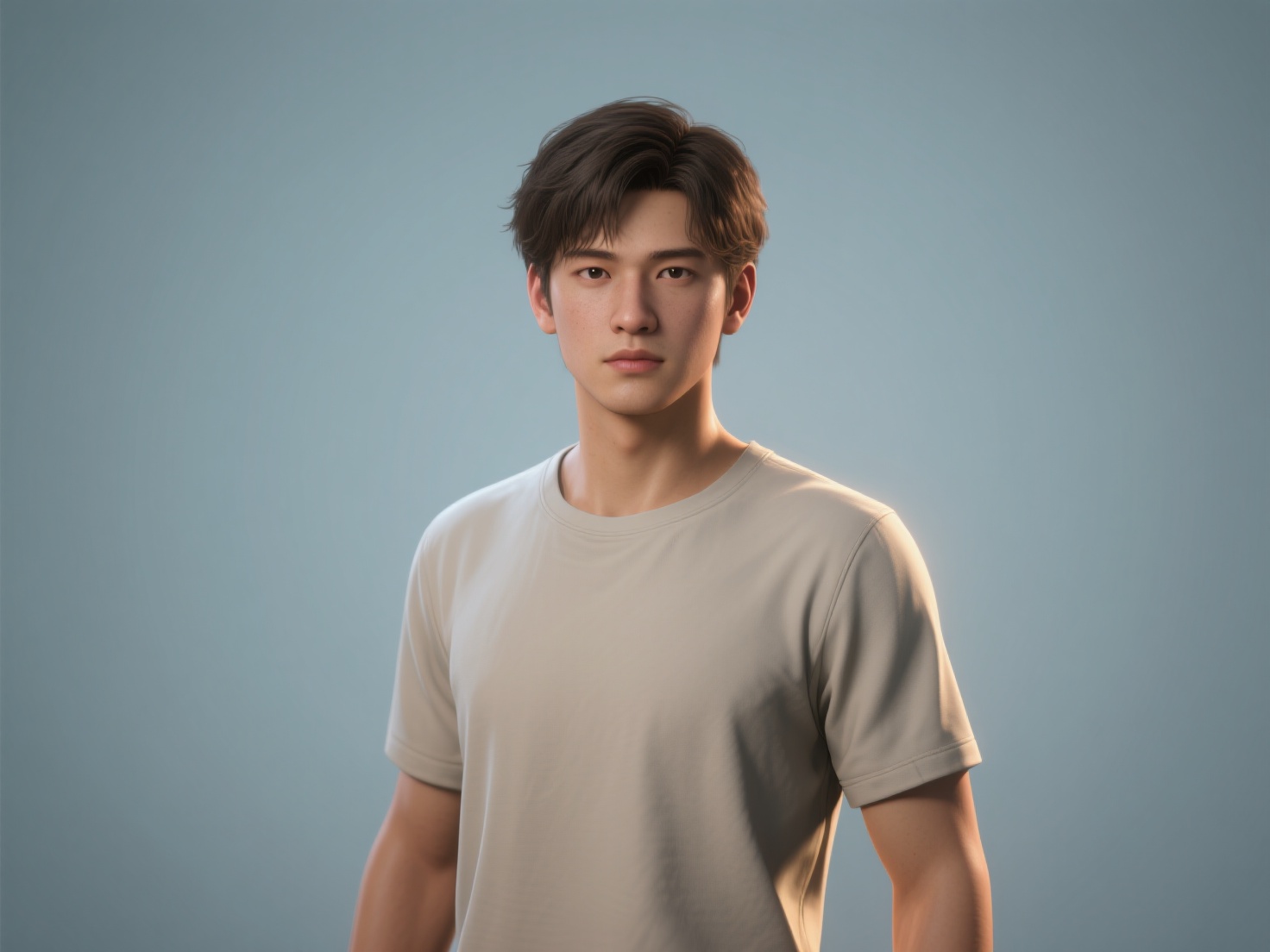
Creating believable human faces is the holy grail of VFX. Deep learning algorithms are now capable of analyzing decades of an actor’s past footage to create flawless de-aging effects or entirely digital doubles. As we approach 2026, this technology is crossing the “uncanny valley,” becoming cheaper and more accessible for flashback sequences and stunt replacements.
10. The Convergence of Game Engines and Film VFX Pipelines
The barrier between game development and film production has collapsed. Assets created for a blockbuster film are now directly ported into video game adaptations, and vice versa. Game engines like Unreal Engine are becoming the central hub for film pre-visualization, virtual production, and final rendering, creating a unified entertainment pipeline.
Practical Applications in the Modern Workflow
How do these VFX trends 2026 actually look in a working studio? Here is a breakdown of how traditional workflows are evolving:
| Production Phase | Traditional Workflow | AI & Real-Time Workflow (2026) |
|---|---|---|
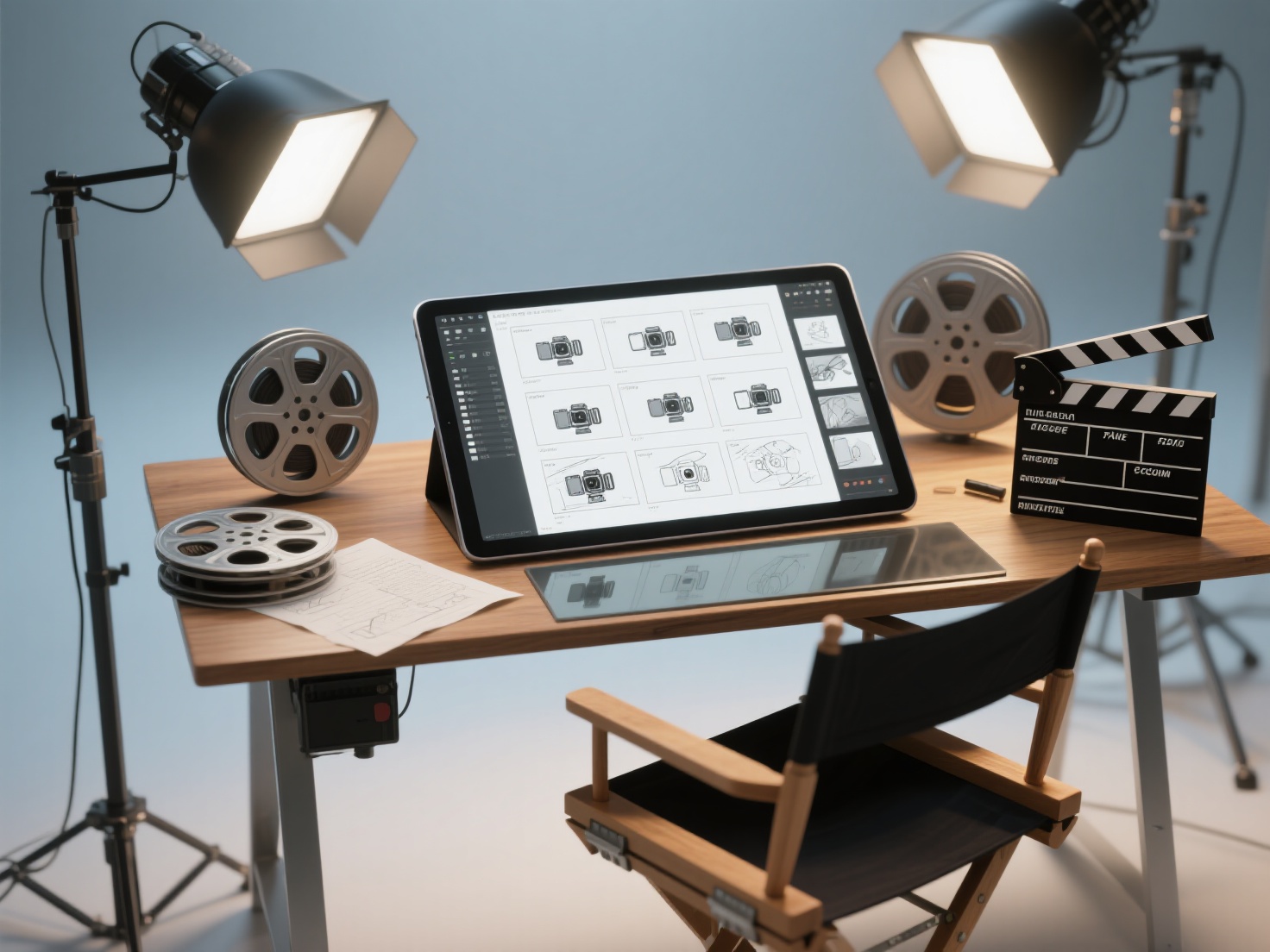
| Pre-Visualization | Stick figures and basic gray-box models. | High-fidelity real-time environments; rapid prop generation via AI. |
| Asset Creation | Days of manual poly-modeling and UV unwrapping. | Instant image-to-3D generation with tools like Hitem3D for props/backgrounds. |
| Shooting | Green screens, requiring massive post-production lighting fixes. | LED Volumes providing in-camera final pixels and accurate physical reflections. |
| Post-Production | Manual rotoscoping, wire removal, and offline rendering farms. | AI-automated cleanup, machine-learning masks, and real-time engine rendering. |
Best Practices for Adopting New VFX Trends
To ensure you or your studio are ready for the future of VFX, consider the following actionable advice:
Embrace AI as a Co-Pilot, Not a Replacement: Do not view AI visual effects as a threat. Use AI to handle the mundane tasks (like cleanup and basic asset generation) so you can focus on complex hero assets and high-level compositing.
Audit Your Textures: Make sure your materials are future-proof. Always aim for De-Lighted, PBR-ready textures so your assets can transition seamlessly between different real-time game engines without lighting conflicts.
Fail Fast with Free Retries: When experimenting with AI generation, look for platforms that allow iteration. For instance, Hitem3D offers a Free Retry system, allowing you to regenerate 3D results without burning through additional credits until you get the perfect mesh.
Bridge the Software Gap: Start learning real-time engine basics. A traditional compositor or modeler who understands how their assets function inside a virtual production LED volume is highly valuable.
Conclusion & Next Steps
The future of VFX is incredibly bright, defined by workflows that are faster, more intuitive, and infinitely more creative. By embracing VFX trends 2026—such as real-time rendering, virtual production, and AI visual effects—creators can break through traditional budget and time constraints. The convergence of game engines and film pipelines means that high-fidelity storytelling is more accessible than ever before.
If you want to stay ahead of the curve and drastically reduce your 3D modeling time, integrating an AI generation tool into your pipeline is the perfect first step. Whether you need to quickly populate a virtual set, generate 3D reliefs for physical props, or simply need clean, production-ready geometry with crisp edges, Hitem3D is trusted by creators in over 50 countries to deliver unparalleled results.
Ready to transform your 2D concepts into 3D reality in minutes?
Frequently Asked Questions (FAQ)
Will AI replace VFX artists in the future?
No. While AI visual effects will automate tedious tasks like rotoscoping, tracking, and basic 3D asset generation, the industry will always rely on human artists for creative direction, storytelling, and complex, bespoke “hero” shots. AI is a tool that enhances productivity, not a replacement for artistic vision.
What are the biggest virtual production trends right now?
The most significant virtual production trends include the widespread adoption of LED Volumes (wall screens that display real-time 3D backgrounds during filming), camera tracking integrated with game engines, and the use of NeRFs to bring real-world locations onto the virtual stage.
How can indie filmmakers afford high-end VFX?
The democratization of technology is the key. By leveraging consumer-friendly game engines for rendering, cloud-based collaboration, and AI platforms for rapid 3D asset generation, indie filmmakers can achieve blockbuster-level visuals at a fraction of the traditional cost.