The built environment is responsible for nearly 40% of global carbon emissions, making the construction industry a primary focal point in the fight against climate change. As urbanization accelerates, the traditional “take-make-dispose” model of construction is rapidly giving way to a more responsible paradigm: sustainable architecture.
For architects, designers, and students, mastering sustainable design principles is no longer just an elective specialty—it is an essential requirement for the future of the industry. This comprehensive guide explores the core principles, actionable design strategies, and real-world examples of eco-friendly architecture, while highlighting how modern digital workflows are making these concepts easier to bring to life.
What is Sustainable Architecture?
Sustainable architecture is an environmentally conscious approach to building design that seeks to minimize negative environmental impacts by enhancing energy efficiency, utilizing sustainable materials, and harmonizing with the surrounding ecosystem.
Ultimately, the goal is to create healthy, productive spaces for occupants while drastically reducing the carbon footprint, water consumption, and waste generation of the building across its entire lifecycle.
Core Sustainable Design Principles
To achieve true sustainability, architects must look beyond mere aesthetics and integrate ecological thinking into the very DNA of their designs. Here are the foundational principles of green building design:
1. Energy Efficiency
Minimizing the energy required to heat, cool, and light a building is paramount. This involves a combination of high-performance insulation, efficient HVAC systems, and the integration of renewable energy sources to reduce reliance on the fossil-fuel grid.
2. Material Sustainability
The embodied carbon of a building—the emissions generated during the extraction, manufacturing, and transportation of building materials—can be massive. Sustainable architecture prioritizes locally sourced, recycled, and rapidly renewable materials that have a low environmental impact.
3. Water Conservation
Eco-friendly buildings utilize innovative plumbing fixtures, rainwater harvesting systems, and greywater recycling to drastically reduce the consumption of municipal freshwater and minimize strain on local water treatment facilities.
4. Biophilic Design
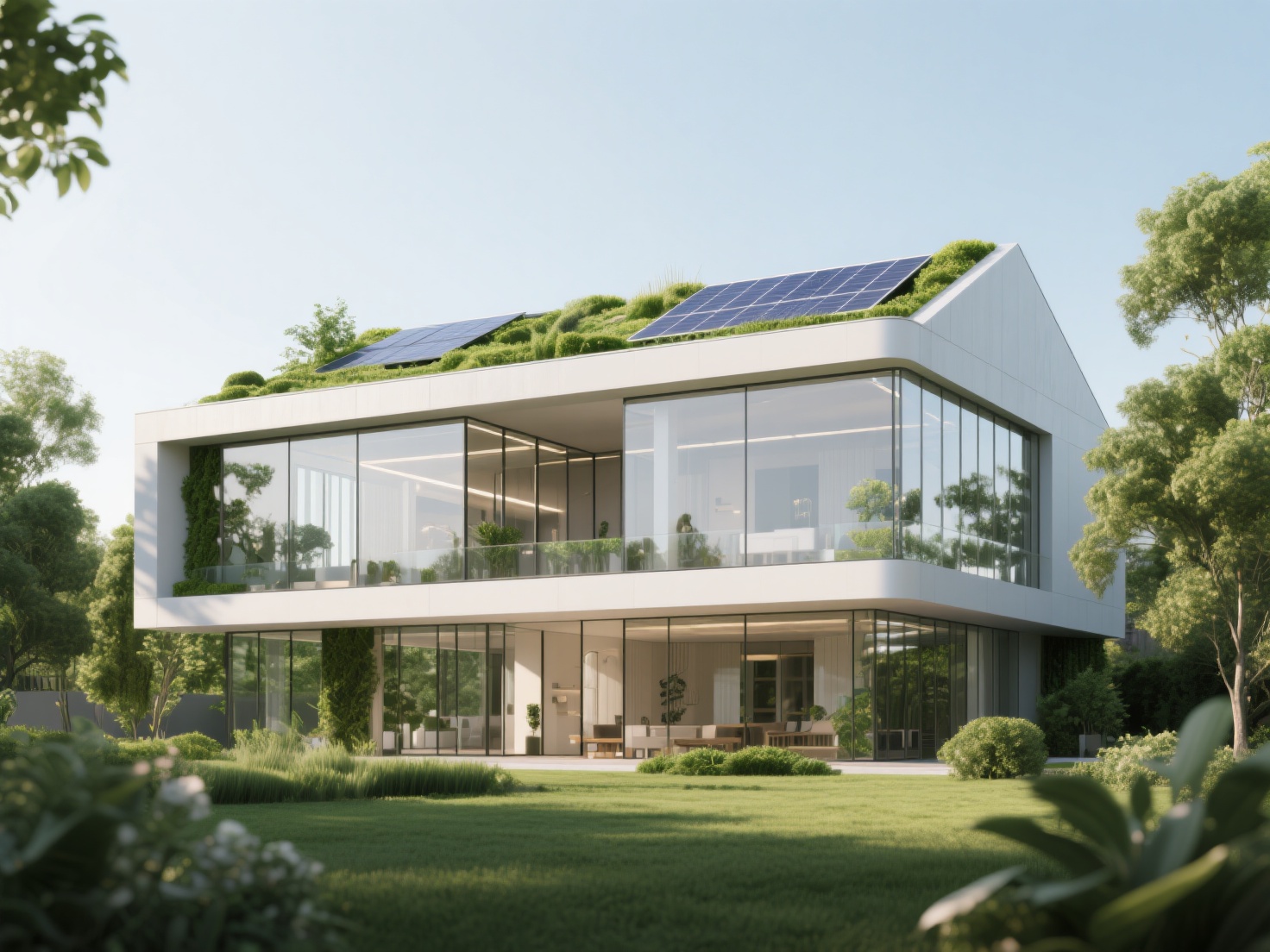
This principle focuses on connecting building occupants directly with nature. By incorporating natural light, indoor vegetation, and organic textures, biophilic design not only improves the building’s environmental metrics but also boosts the mental health and productivity of its users.

Key Design Strategies for Eco-Friendly Architecture
Translating sustainable design principles into a physical structure requires specific, actionable strategies during the drafting and engineering phases.
Passive Design Strategies
Passive design uses the local climate and site conditions to maintain a comfortable indoor environment without relying heavily on active mechanical systems.
- Building Orientation: Aligning the building along the east-west axis to maximize natural solar heat gain in the winter while minimizing harsh glare in the summer.
- Natural Ventilation: Strategically placing windows and vents to encourage cross-ventilation, allowing natural breezes to cool the interior.
- Thermal Mass: Utilizing dense materials like concrete, stone, or rammed earth that absorb heat during the day and slowly release it at night, stabilizing indoor temperatures.
Renewable Energy Integration
Transitioning from fossil fuels to clean energy is a hallmark of modern sustainable architecture.
- Solar Power: Installing photovoltaic (PV) panels on roofs or integrating them directly into the building facade (BIPV).
- Geothermal Systems: Utilizing the stable temperature of the earth below ground to heat and cool the building with extreme efficiency.
- Wind Turbines: Integrating small-scale wind turbines in high-altitude or coastal urban projects to supplement energy needs.
Sustainable Building Materials
Choosing the right materials can dramatically lower a building’s embodied carbon. Here is a quick comparison of traditional versus sustainable alternatives:
| Traditional Material | Sustainable Alternative | Environmental Benefit |
|---|---|---|
| Standard Concrete | Low-Carbon / Ash Concrete | Reduces cement use, lowering CO2 emissions by up to 30%. |
| Steel Beams | Mass Timber (CLT) | Acts as a carbon sink; requires vastly less energy to manufacture. |
| Fiberglass Insulation | Sheep’s Wool / Cellulose | Non-toxic, biodegradable, and offers superior moisture regulation. |
| Virgin Plastics | Recycled Polymers | Diverts waste from landfills and requires less processing energy. |
Green Building Certification Systems
To standardize and measure the success of eco-friendly architecture, several globally recognized certification systems have been established:
- LEED (Leadership in Energy and Environmental Design): The most widely used rating system globally, evaluating projects on energy, water, waste, and human health.
- BREEAM (Building Research Establishment Environmental Assessment Method): Popular in Europe, it assesses the sustainability of buildings across a broad range of environmental, social, and economic categories.
- WELL Building Standard: A system focused specifically on how the built environment impacts human health, emphasizing air, water, nourishment, light, and comfort.
Notable Examples of Sustainable Architecture
To understand how these principles work in harmony, let’s look at a few groundbreaking examples:
1. The Edge (Amsterdam, Netherlands)
Often dubbed the greenest building in the world, The Edge boasts the highest BREEAM rating ever awarded. It features a massive solar roof, smart LED lighting powered by Ethernet cables, and an aquifer thermal energy storage system. It produces more energy than it consumes.
2. Bosco Verticale (Milan, Italy)
The “Vertical Forest” consists of two residential towers heavily populated with over 900 trees and 20,000 plants. This dense vegetation absorbs CO2, filters urban dust, produces oxygen, and creates a microclimate that reduces the need for artificial cooling.
3. The Bullitt Center (Seattle, USA)
Designed to be the greenest commercial building in the world, the Bullitt Center features a massive overhanging solar canopy, composting toilets, and a rainwater harvesting system that supplies all the building’s water needs, achieving strict net-zero energy and water goals.
Best Practices for Implementing Sustainable Architecture
If you are an architect or designer looking to adopt these practices, consider the following actionable advice:
- Start Early: Sustainability cannot be an afterthought. Integrate passive design and energy goals in the conceptual phase before the fundamental geometry of the building is locked in.
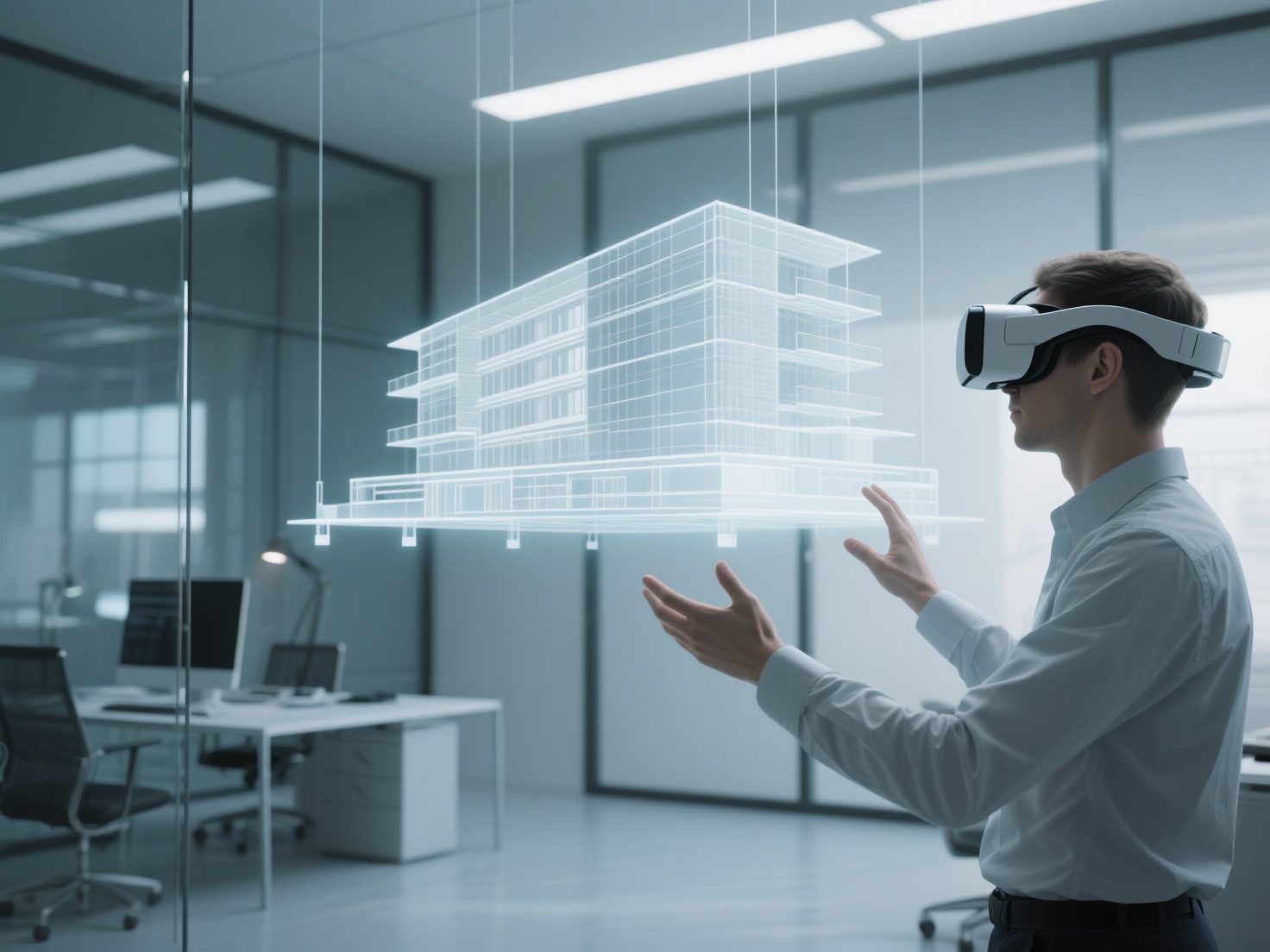
- Utilize Energy Simulation: Use digital tools and Building Information Modeling (BIM) to run solar, thermal, and wind simulations to optimize the building’s performance before construction begins.
- Prioritize the Envelope: Invest heavily in the building envelope (insulation, high-performance glazing, airtightness). A well-sealed building requires significantly less mechanical heating and cooling.
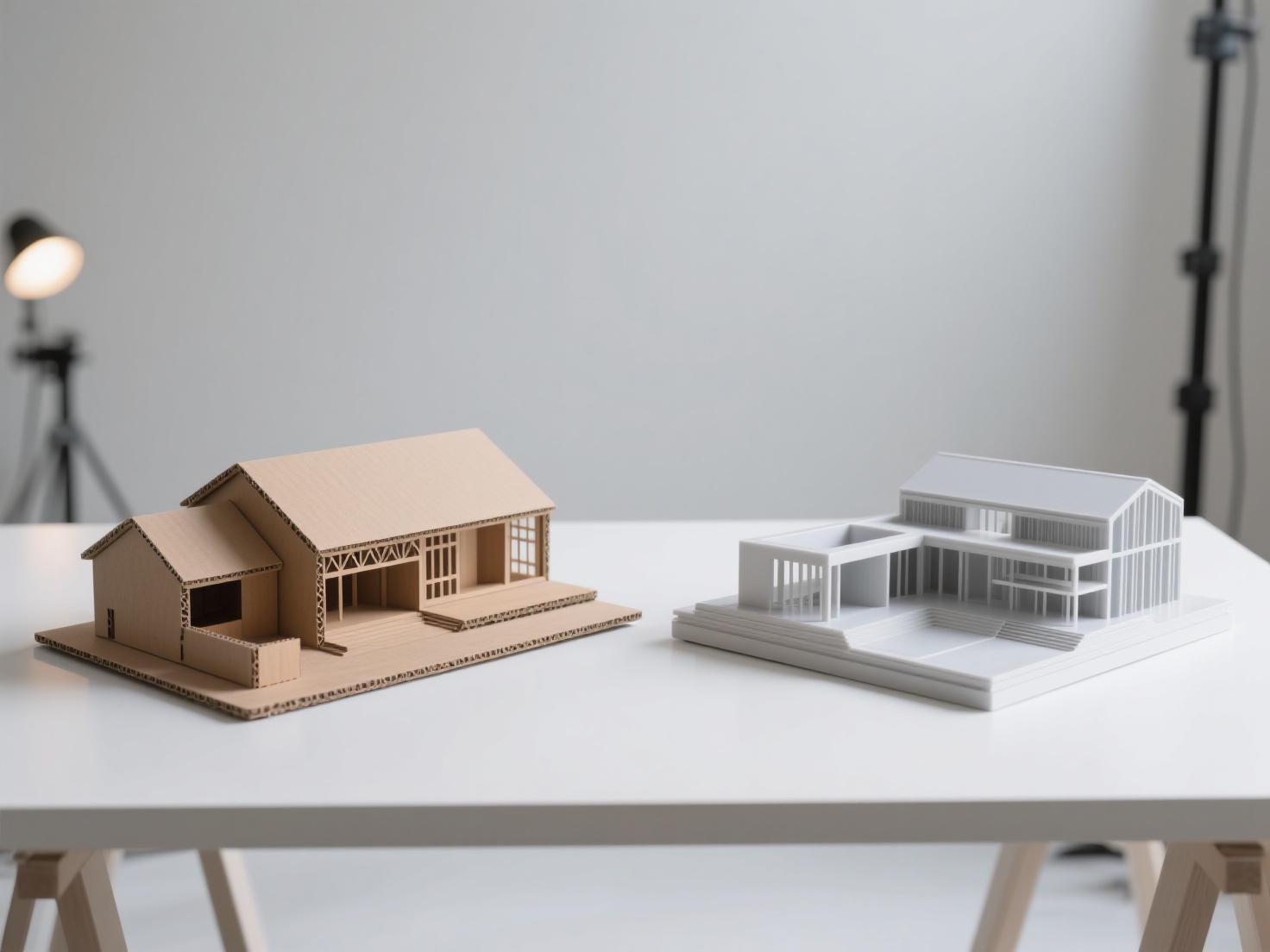
- Communicate Visually: Clients often hesitate to invest in green technologies because they cannot visualize the end result. Using high-quality 3D visualizations helps bridge the gap between abstract sustainable concepts and client buy-in.
Conclusion & Shaping the Future with Hitem3D
The transition toward sustainable architecture is not a passing trend; it is the definitive future of the construction industry. By applying sustainable design principles, utilizing eco-friendly materials, and relying on passive design strategies, architects can create stunning structures that heal, rather than harm, our planet.
However, pitching innovative green building design concepts to stakeholders requires rapid, high-fidelity visualization. Modeling custom green walls, unique solar arrays, or bespoke mass timber joints from scratch can be incredibly time-consuming.
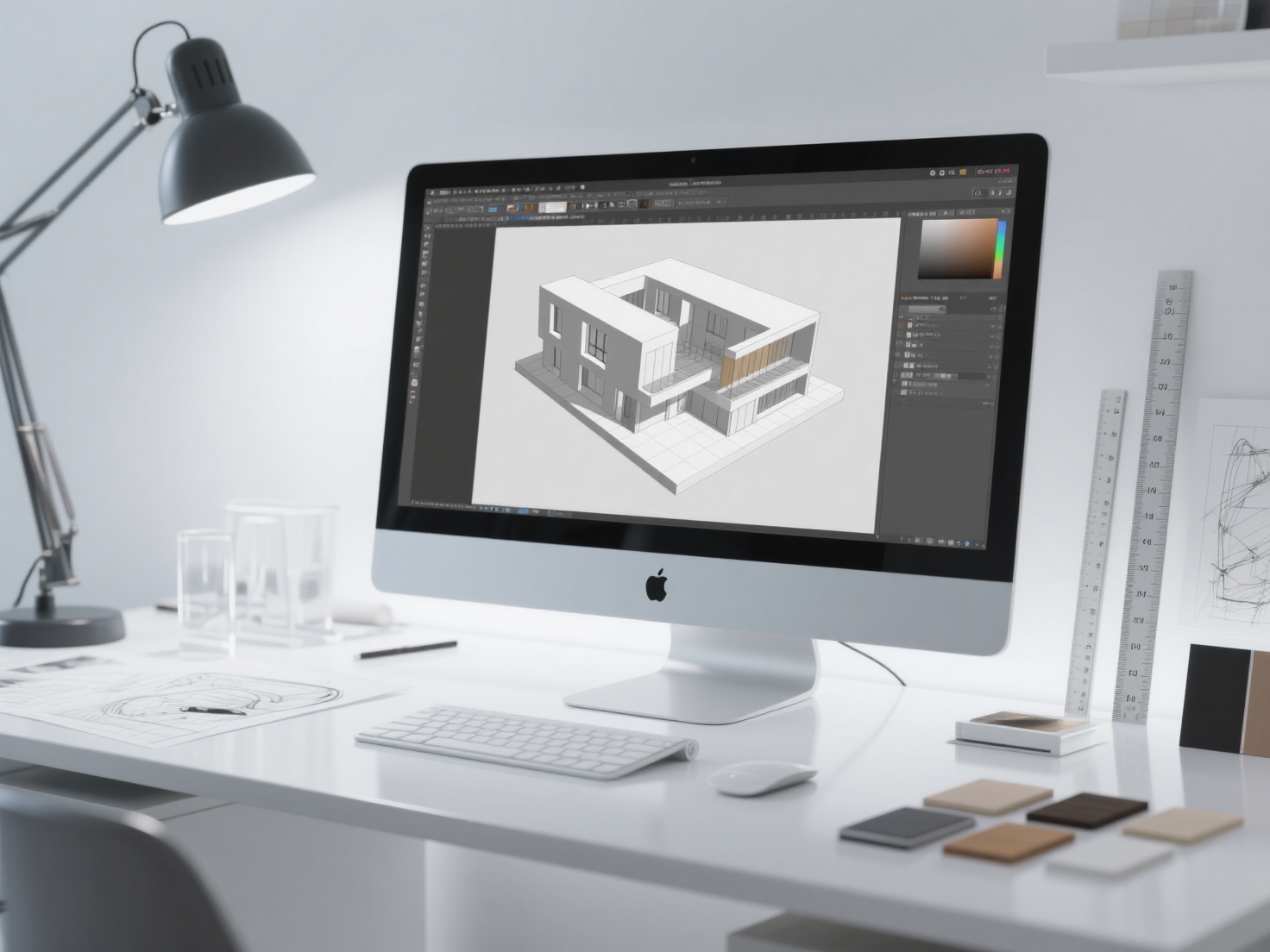
This is where Hitem3D becomes an invaluable asset for architectural workflows. As a next-generation AI-powered 3D model generator, Hitem3D transforms your 2D conceptual sketches or reference photos into production-ready 3D models in minutes.
Built on the high-precision Sparc3D model, Hitem3D offers unparalleled geometric accuracy, capturing sharp architectural edges seamlessly. Its revolutionary Invisible Parts technology can reconstruct hidden structures from a single image, while the De-Lighted Texture feature intelligent removes baked-in lighting—providing true relightable 4K PBR materials that look perfectly realistic in architectural rendering engines like Unreal Engine or Lumion.
With support for resolutions up to 1536³ Pro (up to 2M polygons) and easy export to GLB, OBJ, STL, FBX, and USDZ, Hitem3D allows you to populate your architectural scenes with sustainable assets effortlessly, without draining your modeling budget. Plus, with a Free Retry mechanism, you can iterate until your vision is perfect.
Frequently Asked Questions (FAQ)
What is the primary goal of sustainable architecture?
The main goal is to minimize the environmental impact of buildings by reducing energy consumption, lowering carbon emissions, conserving water, and using eco-friendly materials, all while creating a healthy environment for the occupants.
How does passive design reduce energy costs?
Passive design utilizes the natural climate—such as sunlight for heating and breezes for cooling—to maintain indoor comfort. By maximizing these natural resources through proper building orientation and window placement, the reliance on expensive mechanical HVAC systems is drastically reduced.
What are the most common sustainable building materials?
Common sustainable materials include mass timber (like Cross-Laminated Timber), recycled steel, low-carbon concrete, reclaimed wood, bamboo, and natural insulation materials like sheep’s wool or cellulose.
Why are 3D models important in sustainable design?
3D models and digital simulations allow architects to test the environmental performance of a building (such as shadow casting and wind flow) before it is built. Furthermore, rapid 3D visualization tools like Hitem3D help architects clearly communicate complex eco-friendly designs and sustainable materials to clients to secure project approval.