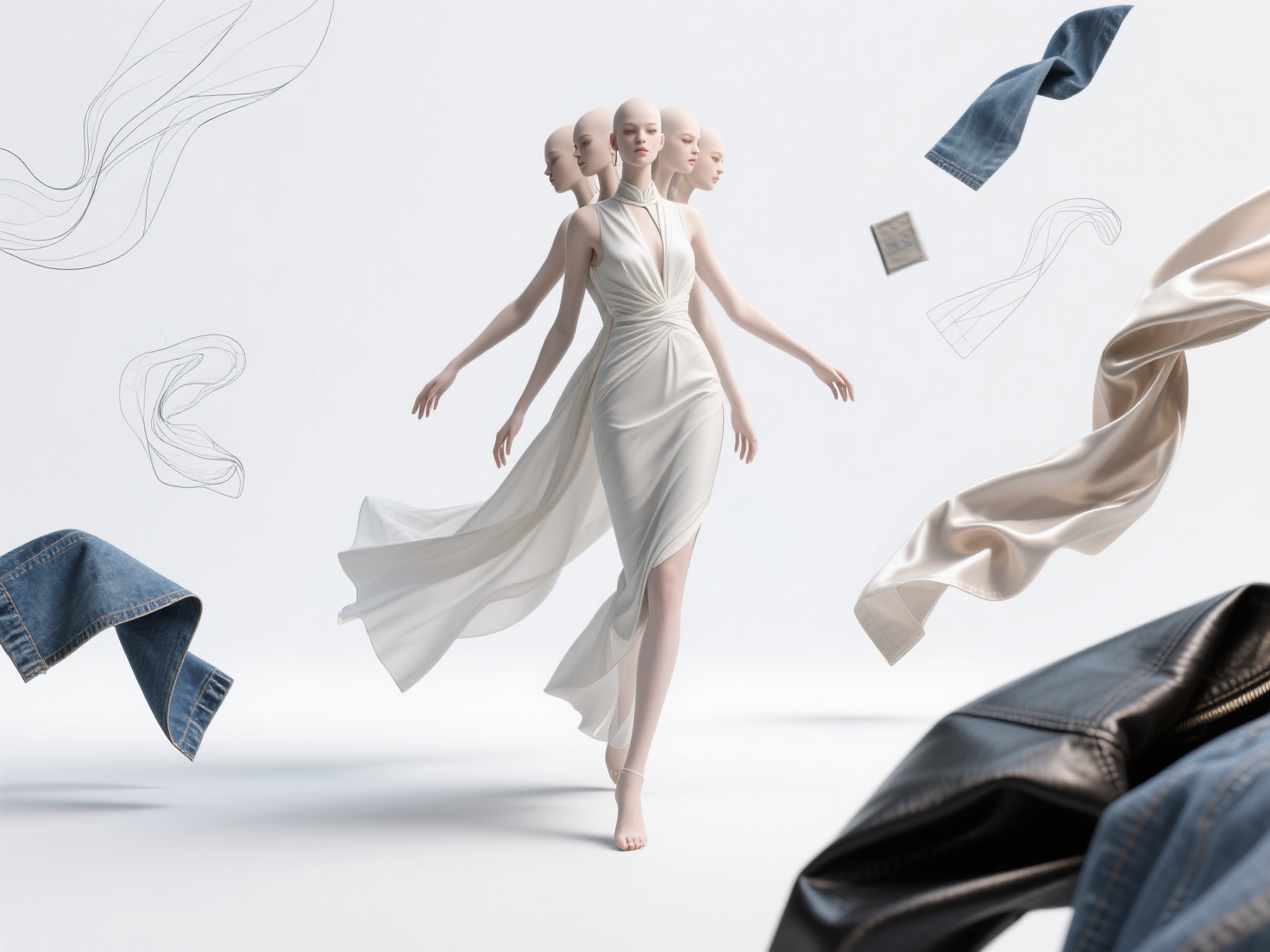
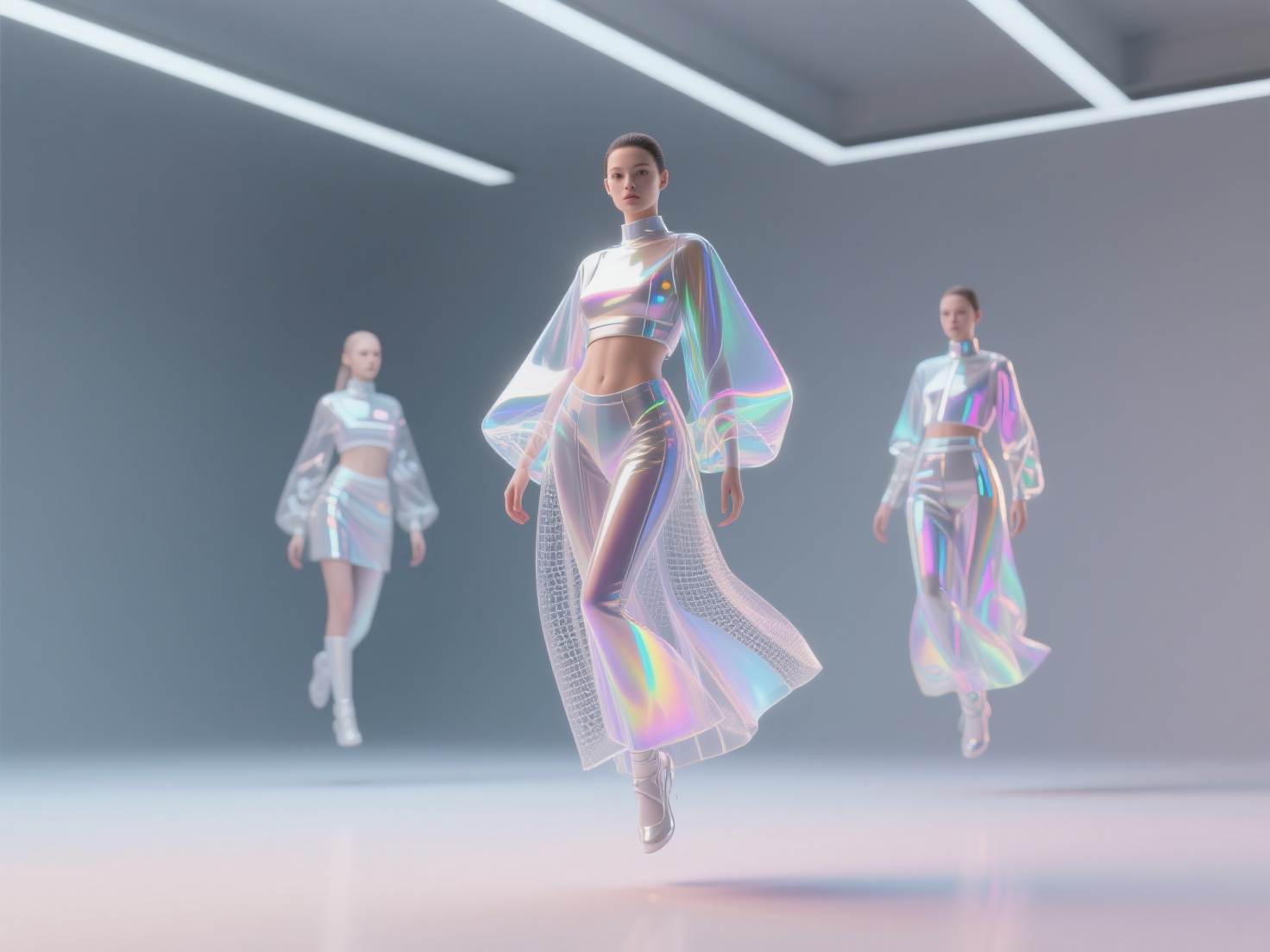
The fashion industry is undergoing a massive transformation, moving beyond physical fabrics and sewing machines into the boundless realm of pixels and polygons. Today, digital fashion is no longer a niche concept—it is a booming industry where designers, digital artists, and tech-savvy creatives are building entire careers. From outfitting gaming avatars to launching highly sought-after collections of virtual clothing, the intersection of fashion and technology has never been more exciting.
Whether you are a traditional designer looking to transition into 3D or a digital artist aiming to monetize your skills, mastering digital garment design opens up unprecedented creative and commercial opportunities. In this comprehensive guide, we will explore the ecosystem of virtual fashion, the tools professionals use, and how you can start creating and selling your own digital wardrobes.
What is Digital Fashion?
Digital fashion refers to the creation, collection, and wearing of computer-generated clothing and accessories designed entirely in 3D software, existing purely in the virtual realm.
Unlike traditional fashion, which requires physical raw materials, manufacturing, and shipping, virtual clothing is made of polygons, textures, and code. These digital garments can be draped over photos of real people, worn by 3D avatars in video games and metaverse platforms, or collected as a fashion NFT (Non-Fungible Token) on the blockchain. By eliminating physical constraints, digital fashion allows designers to defy gravity, utilize impossible materials like liquid metal or animated fire, and produce zero textile waste.
The Ecosystem: Where Does Virtual Clothing Live?
The demand for virtual clothing is driven by several rapidly growing digital sectors. To understand the market, we must look at the four primary pillars of the digital fashion ecosystem.
1. Social Media and AR Filters
Platforms like Instagram, Snapchat, and specialized fashion apps allow users to “wear” digital garments through Augmented Reality (AR) or post-production photo overlays. Users purchase a digital garment, submit a photo, and digital tailors fit the 3D asset seamlessly onto their image. This caters to the “wear it once for the gram” culture, significantly reducing fast-fashion waste.
2. Gaming and Metaverse Avatars
Gamers have been buying “skins” for years, but the concept has evolved into a massive virtual fashion economy. Major brands like Gucci, Balenciaga, and Nike are actively selling virtual clothing inside platforms like Roblox and Fortnite. For many Gen Z and Alpha consumers, expressing their identity through their avatar’s clothing is just as important as their physical wardrobe.
3. Fashion NFTs and Digital Collectibles
A fashion NFT utilizes blockchain technology to prove the authenticity and ownership of a digital garment. Collectors buy these exclusive 3D assets not just to wear in virtual spaces, but as investments. Limited edition drops create artificial scarcity in the digital world, giving digital fashion the same prestige as high-end physical streetwear.
4. Digital Sampling for Physical Production
For traditional fashion brands, digital garment design is a powerful B2B tool. Before a physical prototype is cut and sewn, designers create a 1:1 digital twin. This allows stakeholders to review fits, test different fabrics, and make adjustments virtually, drastically cutting down on material waste and production costs.
The Ultimate Toolkit: How Designers Create Virtual Clothing
Creating high-fidelity digital fashion requires a mix of specialized software. While traditional 3D modeling tools are useful, the unique physics of fabric demand purpose-built applications.
Specialized 3D Fashion Software
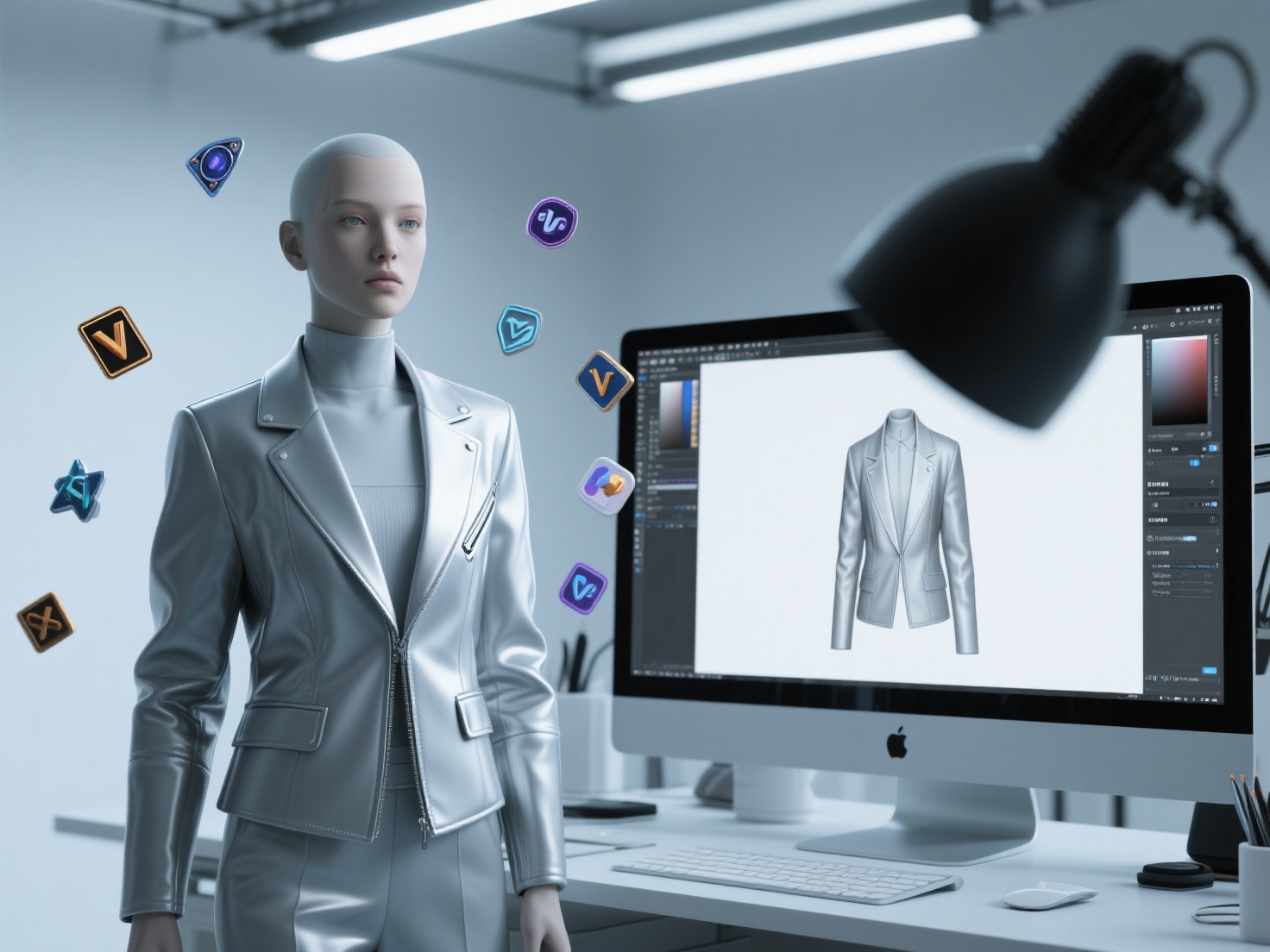
- CLO3D & Marvelous Designer: These are the industry standards for digital garment design. They operate similarly to traditional tailoring: designers create flat 2D patterns and then “sew” them together onto a 3D avatar. The software calculates accurate fabric physics, allowing silk to drape smoothly and denim to hold its stiff shape.
- Browzwear: Highly favored by enterprise-level apparel brands, Browzwear focuses heavily on creating production-ready digital twins that seamlessly translate into physical manufacturing.
General 3D Modeling and Animation
- Blender & Maya: Once the garment is created, it often needs to be optimized, rigged (given a virtual skeleton so it can move), and rendered. Blender is a free, incredibly powerful tool used by many digital artists to build environments, adjust lighting, and animate their virtual fashion shows.
Elevating Collections with AI-Powered Accessories (Hitem3D)
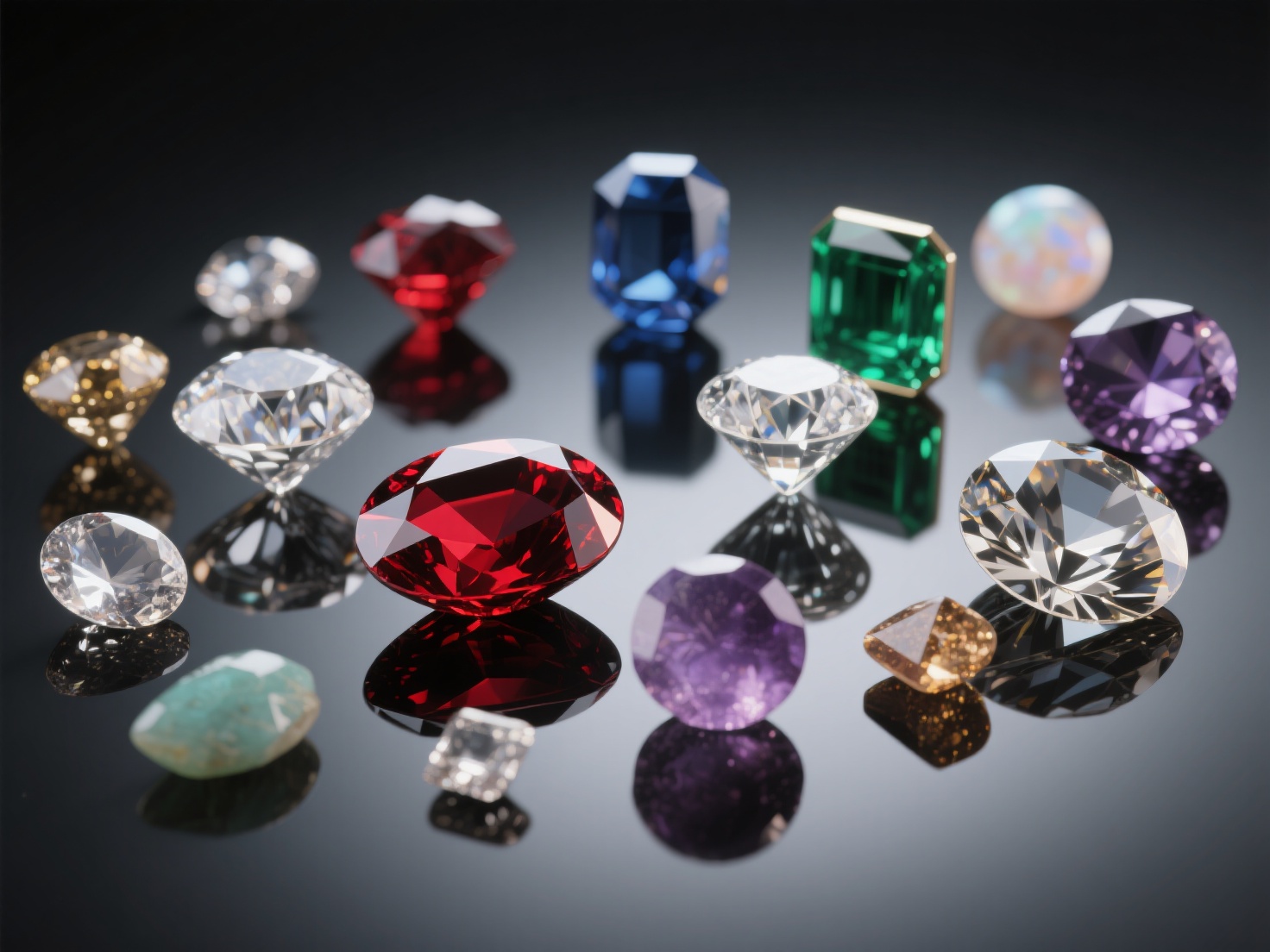
A complete fashion collection isn’t just about soft fabrics; it requires hard-surface accessories like sunglasses, intricate jewelry, handbags, and footwear. Modeling these complex geometric shapes from scratch in Blender can be incredibly time-consuming, and fabric simulation software is not built for it. This is where AI-driven pipelines become a game-changer.
Hitem3D is a next-generation AI-powered 3D model generator that perfectly complements virtual clothing workflows. By simply uploading 2D images (single or multi-view) of a shoe, a handbag, or a piece of jewelry, fashion designers can instantly generate production-ready 3D models.
Built on in-house Sparc3D (high precision) and Ultra3D (high efficiency) models, Hitem3D offers incredible advantages for digital fashion creators:
- Invisible Parts Reconstruction: Hitem3D’s AI intelligently reconstructs hidden structures, such as the intricate soles of a sneaker or the clasps of a necklace, ensuring full geometric accuracy.
- De-Lighted Textures: Virtual fashion must react dynamically to the lighting of different metaverse environments. Hitem3D generates 4K PBR-ready textures and uses De-Lighted processing to remove baked-in shadows, providing true relightable materials.
- Seamless Integration: Export your generated accessories in GLB, OBJ, FBX, or USDZ formats and directly import them into CLO3D or Blender to complete your digital avatar’s outfit.
The Business Model: Real-World Applications
How are designers actually making money with digital fashion? The market size for digital garments is projected to reach billions of dollars by the end of the decade. Here is a breakdown of how the traditional and digital industries compare:
| Feature | Traditional Fashion | Digital Fashion |
|---|---|---|
| Material Costs | High (fabrics, buttons, zippers) | Zero (pixels and processing power) |
| Production Time | Months (sampling, shipping, manufacturing) | Days to Weeks |
| Sustainability | High waste, significant carbon footprint | Zero textile waste, carbon footprint limited to server power |
| Distribution | Physical retail stores, shipping logistics | Instant global download, Metaverse integration, Blockchain |
| Creativity Limits | Bound by gravity and physical materials | Completely limitless (floating elements, glowing textures) |
Independent digital fashion designers monetize their work by collaborating with game developers to design exclusive skins, selling 3D assets on marketplaces like ArtStation or CGTrader, and launching independent fashion NFT collections on platforms like OpenSea or specialized digital fashion houses like The Fabricant.
Best Practices for Digital Garment Design
If you are ready to dive into the world of virtual clothing, keep these best practices in mind to ensure your creations are professional and highly sought after.
1. Learn Basic Pattern Making
Even though you are working in a digital space, software like CLO3D relies on traditional 2D pattern-making logic. Understanding how darts, seams, and gussets work in the real world will make your digital garments fit better and look more realistic.
2. Pay Attention to Fabric Physics
A common mistake beginners make is applying the wrong physical properties to a garment. A digital leather jacket should not drape like a silk scarf. Spend time fine-tuning the weight, stretch, and bending properties of your virtual textiles.
3. Optimize Topology for the Metaverse
If you are designing a garment for an animated film, you can afford millions of polygons. However, if your goal is to sell virtual clothing in a mobile game, a VR chatroom, or as an AR filter, your models must be lightweight. Practice good retopology—reducing the polygon count while preserving the visual quality of the garment.
4. Leverage AI for Rapid Prototyping
Don’t waste days manually modeling the zipper of a jacket or a complex diamond ring to accompany your dress. Use AI tools strategically. With Hitem3D’s Free Retry system, you can iterate on accessory designs without burning through additional credits, keeping your creative momentum high.
Conclusion & Next Steps
The era of digital fashion is officially here, offering a sustainable, highly creative, and lucrative frontier for designers. Whether you are creating fantastical virtual clothing for metaverse avatars, optimizing digital twins for physical production, or launching the next big fashion NFT, the barrier to entry has never been lower.
By combining specialized garment software like Marvelous Designer with next-gen AI tools, you can build breathtaking, fully realized virtual collections in a fraction of the time. While you focus on mastering the drape of virtual silk, let AI handle the heavy lifting of hard-surface modeling.
Ready to complete your digital fashion collections with photorealistic footwear, handbags, and jewelry? Hitem3D provides resolutions up to 1536³ Pro (up to 2M polygons) and supports creators in over 50 countries. Stop manually modeling every accessory and start bringing your full fashion vision to life.
Create For Free
Frequently Asked Questions (FAQ)
Do I need to know how to sew to create virtual clothing?
No, you do not need physical sewing skills, but a basic understanding of how garments are constructed (pattern making) is highly beneficial when using software like CLO3D or Marvelous Designer.
What makes a fashion NFT valuable?
The value of a fashion NFT comes from its scarcity, the reputation of the designer, and its utility. Many fashion NFTs grant the owner exclusive access to physical clothing drops, VIP community channels, or the ability to wear the asset across multiple metaverse platforms.
How do I add shoes and jewelry to my digital fashion avatar?
While garment software handles cloth, hard-surface accessories are usually created in 3D modeling software like Blender. To save time, designers use AI generators like Hitem3D to upload 2D concept art of shoes or jewelry and instantly receive a high-fidelity 3D model (OBJ/FBX) to attach to their avatars.
Can digital fashion help the environment?
Yes! Digital garment design drastically reduces the need for physical sampling, which historically results in massive amounts of textile waste and carbon emissions from shipping physical prototypes back and forth across the globe.