
zThe desktop manufacturing revolution has officially matured. What was once an expensive hobby for tech enthusiasts has transformed into a highly accessible gateway for entrepreneurs. If you have been wondering how to make money 3D printing, 2026 offers unprecedented opportunities to turn your hardware into a reliable revenue stream.
As printer speeds increase, material costs drop, and AI-driven modeling tools eliminate the traditional 3D design bottleneck, launching a 3D printing side hustle has never been easier. Whether you want to sell physical products online, offer local manufacturing services, or generate passive income through digital assets, the market is ripe for innovation.
In this comprehensive guide, we will explore 10 proven 3D printing business ideas for 2026, detail the startup costs, and share best practices to help you successfully sell 3D prints and scale your new venture.
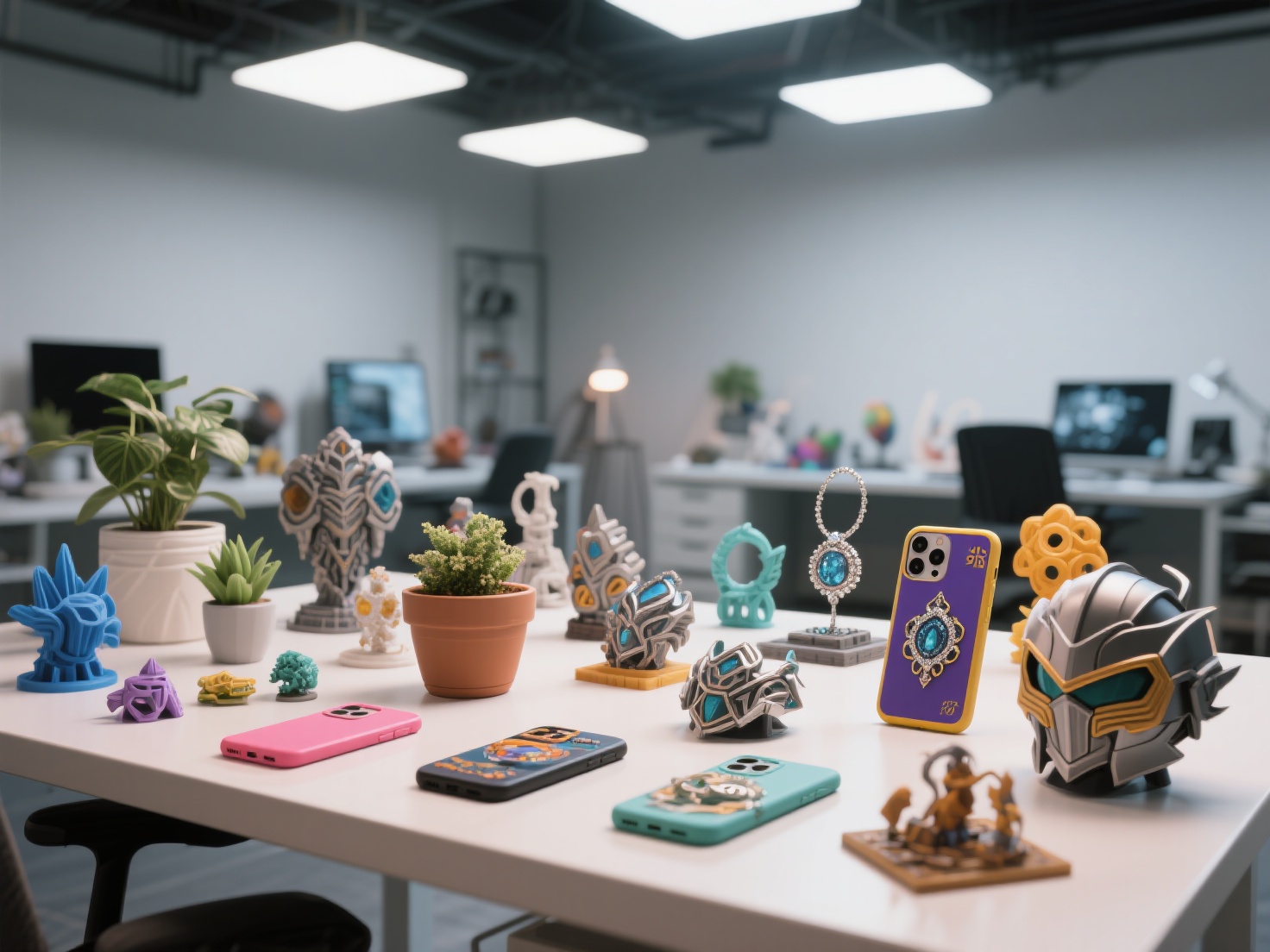
What Does It Mean to Make Money With 3D Printing?
To make money with 3D printing means leveraging additive manufacturing technology to design, produce, and sell physical goods, specialized parts, or digital 3D models for a profit. It transforms a consumer into a micro-manufacturer, allowing you to create customized, on-demand products with incredibly low overhead costs compared to traditional injection molding or mass manufacturing.
10 Profitable 3D Printing Business Ideas for 2026
Finding the right niche is the first step to building a successful business. Here are 10 highly profitable avenues to explore, complete with market potential and strategic tips.
1. Custom Miniatures & Tabletop Gaming Pieces
The tabletop RPG and wargaming community relies heavily on unique, highly detailed miniatures. Players are constantly looking for custom characters, terrain, and monsters that traditional stores don’t carry.
- Market Potential: Very High. Dedicated hobbyists are willing to pay premium prices for custom designs.
- Startup Cost: Medium. Requires a high-resolution resin printer or a highly tuned FDM printer.
- Tips for Success: Focus on modular terrains or offer painting services as an upsell. Always ensure you have commercial rights to the files you are printing.
2. Personalized Phone Cases & Tech Accessories
Tech accessories are essential items that people love to personalize. From custom phone cases featuring unique textures to ergonomic laptop stands and headphone mounts, the possibilities are endless.
- Market Potential: High volume, lower margin.
- Startup Cost: Low. A standard FDM printer handling TPU (flexible) and PLA filaments is sufficient.
- Tips for Success: Stand out by offering customization. Let customers add their names or choose specific multi-color combinations.
3. Home Decor, Vases & Planters
Modern home decor is a massive market. Geometric vases, self-watering planters, and sculptural wall art are incredibly popular on platforms like Etsy and Pinterest.
- Market Potential: High. Appeals to a broad consumer base beyond just tech enthusiasts.
- Startup Cost: Low. Standard FDM printers excel here.
- Tips for Success: Use specialty filaments like matte, marble, or wood-infused PLA. These materials hide layer lines and make products look premium and professionally manufactured.
4. Cosplay Props & Custom Armor
Cosplayers spend hundreds of hours and thousands of dollars perfecting their costumes. 3D printing is the perfect technology to create lightweight, accurate, and durable replica weapons, helmets, and armor.
- Market Potential: Medium volume, high margin.
- Startup Cost: Medium to High. Requires larger format 3D printers and post-processing tools.
- Tips for Success: Offer products in different stages of completion. Sell raw “DIY kits” for lower prices, or charge a premium for fully sanded, painted, and finished props.
5. Replacement Parts & Functional Household Items
Things break, and replacement parts are often discontinued. Printing custom brackets, gears, knobs, and functional fixes solves real-world problems for consumers.
- Market Potential: Steady and consistent.
- Startup Cost: Low to Medium. You will need a printer capable of printing strong materials like PETG, ABS, or Nylon.
- Tips for Success: Build a reputation for structural integrity. Use high-infill settings and test your parts rigorously before selling them.
6. Architectural Scale Models
Architects and real estate developers use physical scale models to pitch projects to clients. Manual model making is incredibly time-consuming, making 3D printing an attractive alternative.
- Market Potential: High margin, B2B focus.
- Startup Cost: Medium. Requires precise printers and potentially multi-color capabilities.
- Tips for Success: Network with local architectural firms and interior designers. Offer fast turnaround times to win their ongoing business.
7. Jewelry & Fashion Accessories
You can 3D print direct-to-consumer fashion pieces like geometric earrings and pendants, or use castable wax resins to create master molds for fine metal jewelry.
- Market Potential: Very High. Jewelry boasts some of the highest profit margins in e-commerce.
- Startup Cost: Medium. High-detail resin printing is usually required for this niche.
- Tips for Success: Focus on unique, intricate designs that are impossible or too expensive to make via traditional handcrafting methods.
8. Educational Models & Teaching Aids
Teachers and professors constantly seek tactile models to explain complex concepts, from anatomical hearts for biology classes to molecular structures for chemistry.
- Market Potential: Niche, but highly loyal.
- Startup Cost: Low.
- Tips for Success: Market directly to educational institutions or homeschool groups. Ensure your models are robust enough to handle frequent handling by students.
9. Offering Print-on-Demand (PoD) Services
Instead of designing your own products, you can rent out your printer’s time. Customers send you their 3D files, and you print and ship the final product.
- Market Potential: High. Serves individuals who need parts but don’t want to buy a printer.
- Startup Cost: Varies. Best suited for those with a “print farm” (multiple reliable printers).
- Tips for Success: Create automated quoting systems on your website. Excellent customer service and strict quality control are vital to retaining clients.
10. Selling Digital 3D Model Files (STLs)
If you don’t want to deal with shipping, inventory, or failed prints, you can sell your 3D designs online. Once a model is uploaded, it generates passive income indefinitely.
- Market Potential: Unlimited scaling potential.
- Startup Cost: Zero physical overhead. Requires time and 3D modeling software.
- Tips for Success: Build a recognizable brand on platforms like Cults3D, MyMiniFactory, or Patreon. Consistently release high-quality, pre-supported models.
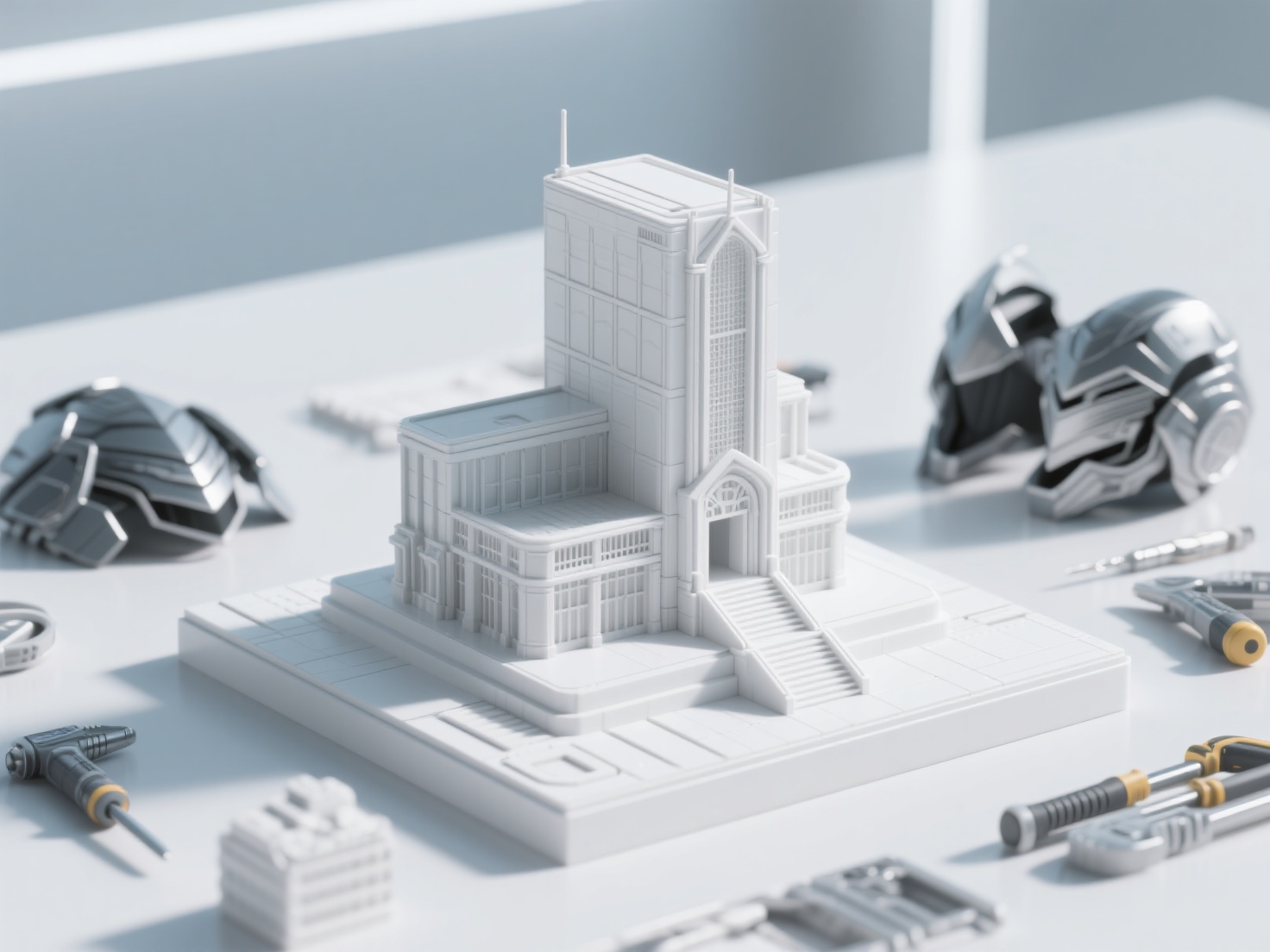
Overcoming the Design Bottleneck with AI
While the ideas above are lucrative, many beginners hit a massive roadblock: 3D modeling takes too much time and requires years of CAD experience. If a client wants a custom piece, spending 10 hours manually sculpting it eats directly into your profit margins.
This is where next-generation tools like Hitem3D completely change the economics of a 3D printing business.
Hitem3D is an AI-powered 3D model generator that transforms 2D images into high-fidelity, production-ready 3D models. By leveraging its in-house Sparc3D (high precision) and Ultra3D (high efficiency) models, you can instantly turn reference photos, concept art, or client sketches into print-ready geometry.
Key Capabilities
- Invisible Parts Reconstruction: Unlike basic photogrammetry, Hitem3D intelligently reconstructs hidden and invisible structures beyond the visible surfaces, ensuring your models are solid, watertight, and structurally sound for printing.
- Instant Multi-Color Segmentation: If you are using an AMS (Automatic Material System), Hitem3D’s Multi-Color Model Segmentation feature automatically divides models into clean color regions, saving you hours of manual painting in your slicer.
- Seamless Workflow: Once generated, Hitem3D offers one-click direct send to Bambu Studio and OrcaSlicer. You go from a 2D image to a sliced, ready-to-print file in minutes.
- Risk-Free Prototyping: With Hitem3D’s Free Retry system, you can regenerate results without spending additional credits until you get the perfect geometry for your client.
By integrating AI into your workflow, you dramatically reduce design turnaround times, allowing you to take on more clients and scale your revenue faster.
Best Practices for Your 3D Printing Side Hustle
To ensure your business thrives in 2026, keep these fundamental best practices in mind:
Understand Licensing and Copyright
Never sell 3D prints of files you downloaded for free unless they explicitly have a commercial license (like Creative Commons – Attribution). Selling copyrighted IP (like Disney or Marvel items) without a license can lead to severe legal trouble.Calculate Your True Costs
Don’t just factor in the cost of filament. When pricing your products, you must calculate electricity, machine wear-and-tear, post-processing time, packaging, and shipping.Specialize in a Niche
Don’t try to be everything to everyone. A shop that exclusively sells high-end sim-racing mods will build a stronger brand and charge higher prices than a generic “we print anything” store.Prioritize Quality Over Speed
A failed print sent to a customer will result in bad reviews. Always optimize your slicer settings, calibrate your e-steps, and ensure smooth, clean surfaces before shipping a product.
Conclusion
Learning how to make money 3D printing is an exciting journey that blends creativity with modern manufacturing. From selling custom tabletop miniatures and functional household parts to offering rapid prototyping services, the opportunities in 2026 are vast and varied.
The key to a profitable 3D printing side hustle is minimizing the time spent on manual labor while maximizing output. By utilizing advanced AI tools, you can bypass the steep learning curve of traditional 3D modeling and bring products to market faster than ever before.
Ready to accelerate your 3D printing business and turn your ideas into print-ready models in minutes?
Frequently Asked Questions (FAQ)
Can you legally sell 3D printed items?
Yes, provided you either designed the 3D model yourself or have purchased/acquired the commercial rights to sell the physical prints of someone else’s design. Always check the license agreement on the platform where you acquired the STL file.
How much money can you make with a 3D printer?
Income varies widely based on your niche and marketing efforts. A casual side hustle might generate $200–$500 a month, while dedicated print farms and highly specialized niche stores can earn tens of thousands of dollars annually.
What is the best 3D printer to start a business?
For beginners in 2026, enclosed CoreXY printers like the Bambu Lab series are highly recommended due to their speed, reliability, and multi-color capabilities. For highly detailed miniatures or jewelry, a high-resolution resin printer (SLA/DLP) is essential.
Do I need to know CAD to sell 3D prints?
No. While knowing CAD is helpful, you can build a successful business by purchasing commercial licenses from other designers, or by using AI tools like Hitem3D to generate custom 3D models directly from 2D reference images, requiring zero technical modeling skills.