
Medicine is undergoing a rapid transformation, shifting from a traditional “one-size-fits-all” approach to highly personalized, patient-centric care. At the heart of this medical revolution is 3D printing healthcare technology. Historically, manufacturing medical devices, anatomical models, and customized treatments was a slow, expensive, and labor-intensive process. Today, additive manufacturing is tearing down these barriers, offering unprecedented precision and customization.
Whether you are a healthcare professional looking to improve surgical outcomes, a biomedical engineer designing the next generation of implants, or simply a technology enthusiast, understanding the impact of medical 3D printing is crucial. In this comprehensive guide, we will explore eight groundbreaking applications that are reshaping the medical landscape.
What is Medical 3D Printing?
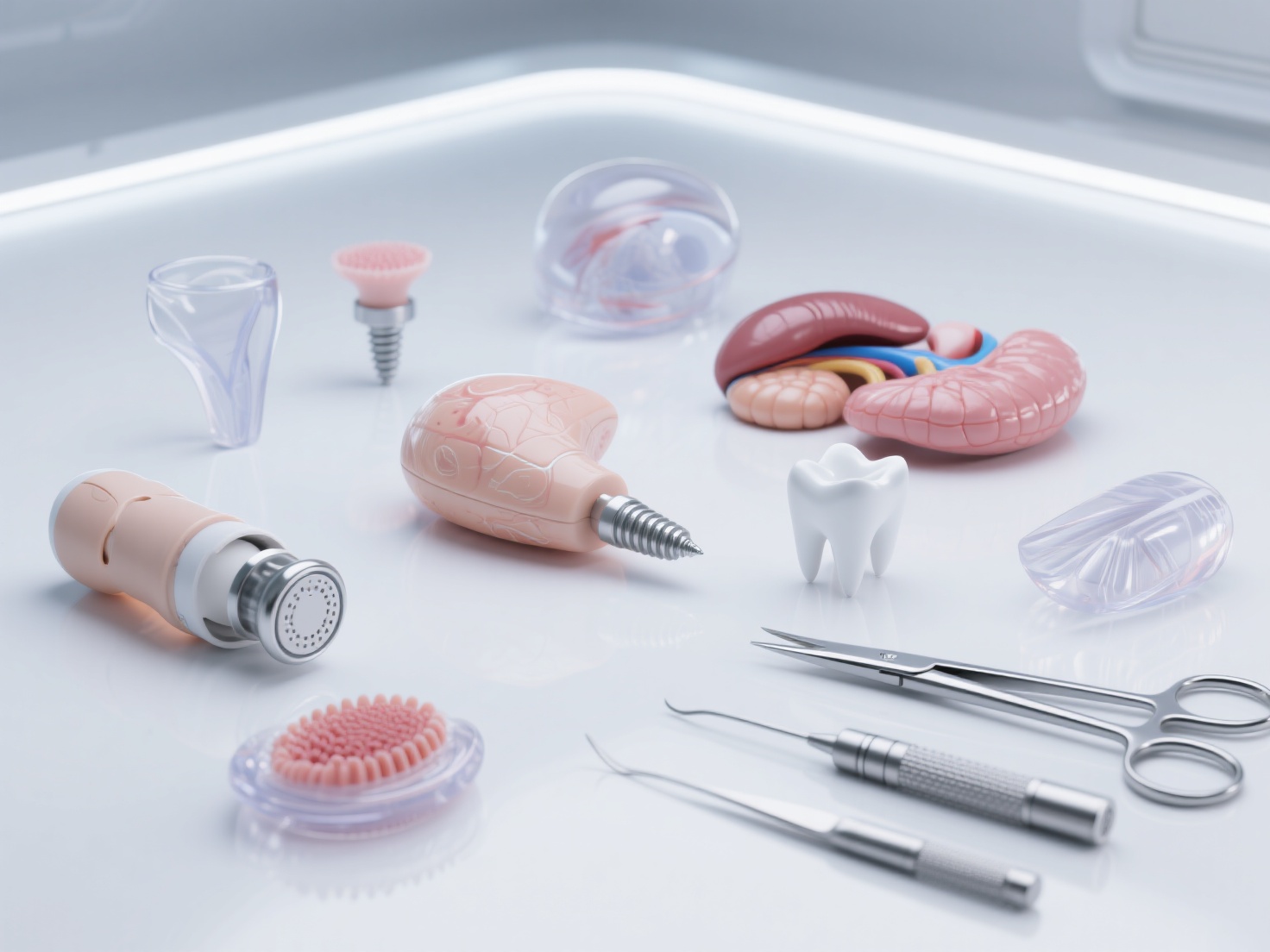
Medical 3D printing is the process of utilizing additive manufacturing technologies and biocompatible materials to create highly customized healthcare products, ranging from patient-specific surgical models and tailored prosthetics to living tissue and personalized pharmaceuticals.
By converting digital scans or images into physical objects layer by layer, this technology allows medical professionals to create bespoke solutions that perfectly match the unique anatomical structures of individual patients.
Traditional Manufacturing vs. Medical 3D Printing
Before diving into the specific applications, it is helpful to understand why healthcare is rapidly adopting this technology. Here is a quick comparison:
| Feature | Traditional Medical Manufacturing | Medical 3D Printing |
|---|---|---|
| Customization | Low (Mass-produced sizes) | Extremely High (Patient-specific) |
| Production Speed | Weeks to months | Hours to days |
| Cost for Custom Parts | Prohibitively expensive | Highly cost-effective |
| Waste Material | High (Subtractive methods) | Low (Additive methods) |
8 Revolutionary Applications of 3D Printing in Healthcare
The integration of 3D technology into medicine is broad and continuously expanding. Here are the top eight ways it is currently changing lives.
1. Custom Prosthetics and Orthotics
Historically, customized limbs could take months to build and cost tens of thousands of dollars, making them inaccessible to many, especially fast-growing children. Today, 3D printed prosthetics are changing the game. By using lightweight, durable plastics and flexible resins, engineers can print customized sockets that fit the patient’s exact residual limb geometry. This not only dramatically reduces costs but also improves patient comfort and mobility.
2. Patient-Specific Surgical Planning Models
Surgeons no longer have to rely solely on 2D screens when preparing for complex operations. By converting MRI or CT scans into physical 3D models, surgical teams can literally hold a patient’s heart, spine, or tumor in their hands before making a single incision. These tactile reference models allow surgeons to plan optimal entry paths, practice intricate procedures, and ultimately reduce time in the operating room, leading to safer patient outcomes.
3. Dental Aligners and Implants
The dental industry was one of the earliest adopters of 3D printing. If you have ever used clear orthodontic aligners, you have benefited from this technology. Dental labs routinely 3D print molds for thermoforming clear aligners. Additionally, highly accurate surgical guides, custom crowns, and bridges are now directly 3D printed using specialized biocompatible dental resins, drastically cutting down patient wait times.
4. Custom Hearing Aids
It might surprise you to learn that over 90% of all modern hearing aids are manufactured using 3D printing. Because every ear canal has a unique shape, mass-producing comfortable hearing aids is nearly impossible. Manufacturers now 3D scan an impression of the patient’s ear and print a perfectly contoured acrylic shell, ensuring maximum comfort and optimal sound delivery.
5. Bioprinting: Skin, Cartilage, and Organs
Perhaps the most sci-fi application on this list is bioprinting. Instead of printing with plastics or metals, bioprinters use “bio-ink”—a mixture of living human cells and biocompatible scaffolds. Researchers are currently bioprinting viable skin grafts for burn victims and custom cartilage for joint repairs. The ultimate, long-term goal of bioprinting is the creation of fully functional, vascularized human organs, which could one day eliminate organ transplant waiting lists.
6. Pharmaceutical Advancements (Custom Drugs)
3D printing is also making waves in pharmacology. In 2015, the FDA approved the first 3D-printed prescription drug, Spritam, used to treat epilepsy. The 3D printing process creates a highly porous pill that dissolves instantly with a sip of water, aiding patients who have trouble swallowing. In the future, pharmacies could 3D print customized “polypills” that combine all of a patient’s daily medications into one pill, with dosages precisely tailored to their body weight and metabolism.
7. Medical Education and Training Models
Medical students have traditionally learned anatomy through textbooks and cadavers. However, cadavers are expensive, require special storage, and often lack the specific pathological anomalies students need to study. 3D printing allows universities to mass-produce highly accurate, multi-color anatomical models. From complex vascular systems to brain tumors, these models provide a reproducible and ethical alternative for hands-on medical training.
8. Custom Surgical Instruments
Standard surgical tools don’t always fit every surgeon’s hand or every specific operational need. 3D printing allows for the rapid prototyping and production of custom surgical instruments, such as uniquely angled forceps or specialized retractors. Furthermore, sterilizable 3D-printed tools can be deployed quickly in remote areas or military medical camps where traditional supply chains cannot reach.
The Role of AI in Accelerating Medical 3D Modeling
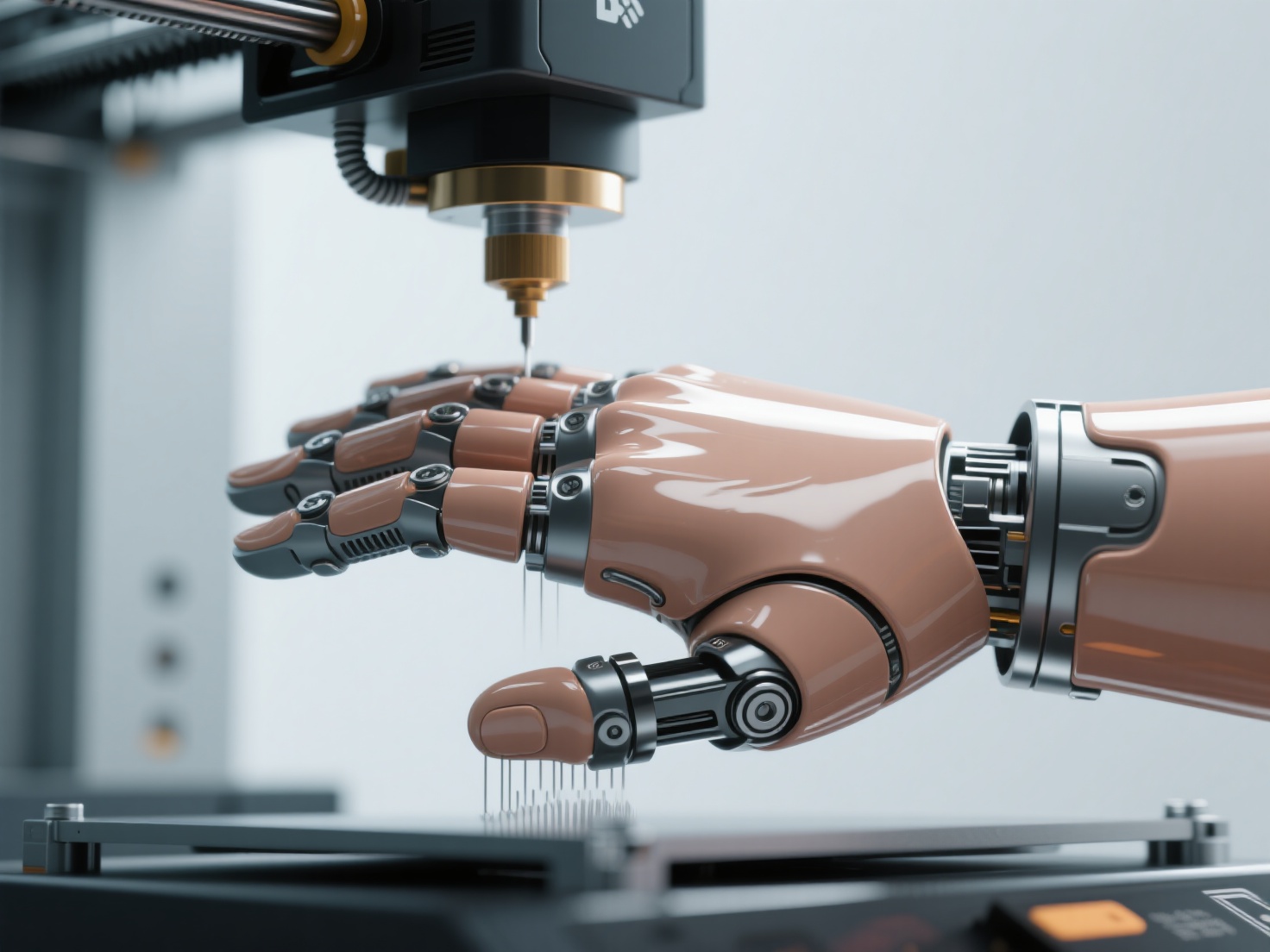
While the physical benefits of medical 3D printing are clear, the digital workflow—creating the actual 3D models—has historically been a major bottleneck. Designing anatomical reference models, conceptual prosthetics, or medical education assets traditionally required advanced CAD skills and countless hours of manual labor.
This is where Artificial Intelligence steps in as a game-changer. Modern AI tools are drastically lowering the barrier to entry, allowing medical educators, designers, and engineers to generate accurate 3D concepts from mere 2D reference images.
Enter Hitem3D: Bridging the Gap from Image to Reality
For professionals creating medical education assets, conceptual prosthetic designs, or VR training environments, Hitem3D serves as an indispensable solution. As a next-generation AI-powered 3D model generator, Hitem3D transforms 2D images into high-fidelity, production-ready 3D models.
- Unmatched Precision with Sparc3D: Built on the in-house Sparc3D model, Hitem3D supports resolutions up to 1536³ Pro (generating up to 2 million polygons). This ensures that complex geometric details required for educational anatomical models are captured accurately.
- Invisible Parts Reconstruction: Unlike basic photogrammetry, Hitem3D’s AI intelligently reconstructs hidden or invisible structures beyond the visible surfaces, ensuring a complete, watertight model.
- Seamless 3D Printing Integration: Hitem3D generates print-ready geometry with sharp edges. With a one-click direct send feature to Bambu Studio and OrcaSlicer, medical device designers can go from AI generation to physical prototyping in record time.
- Multi-Color Segmentation: For medical training models that require distinct color-coding (e.g., separating veins, arteries, and nerves), Hitem3D offers instant automatic segmentation with clean color region borders, ideal for multi-color 3D printing.
- De-Lighted Textures for VR: If you are creating virtual reality medical training simulations, Hitem3D’s AI Texturing provides 4K PBR-ready materials that remove baked-in lighting, allowing for true relightable assets in any digital environment.
Best Practices for Implementing Medical 3D Printing
If you or your organization are looking to integrate 3D printing into your medical workflow, keep these best practices in mind:
- Prioritize Material Safety: Always use certified, biocompatible materials when printing items that will come into direct contact with patients, such as surgical guides or prosthetics.
- Ensure Regulatory Compliance: Medical devices are heavily regulated. Ensure your printing processes and materials comply with local regulatory bodies (such as the FDA in the US or CE marking in Europe).
- Optimize Your Digital Workflow: Don’t get bogged down in manual modeling. Utilize AI tools like Hitem3D to accelerate the prototyping and conceptualization phases.
- Invest in Quality Control: Additive manufacturing can occasionally produce microscopic layer defects. Implement strict sterilization and structural testing protocols for all medical-grade prints.
Conclusion & Next Steps
From the life-changing impact of 3D printed prosthetics to the futuristic promise of bioprinting, there is no doubt that 3D printing healthcare applications are redefining modern medicine. By enabling hyper-personalized care, reducing surgical risks, and accelerating the production of medical devices, additive manufacturing is empowering both doctors and patients alike.
As the industry continues to evolve, the digital tools used to create these models must keep pace. Embracing AI-driven solutions is the key to bypassing traditional CAD bottlenecks and bringing medical innovations to life faster than ever before.
Ready to accelerate your 3D modeling workflow? Whether you are designing conceptual medical devices, generating educational models, or prepping files for multi-color printing, Hitem3D’s AI-powered platform delivers the precision and efficiency you need. Trusted by creators in over 50 countries, you can experience the power of Sparc3D and seamless slicing integration today.
Frequently Asked Questions (FAQ)
1. Is medical 3D printing safe?
Yes, when performed correctly. Items used in patient care (like surgical guides or implants) are printed using heavily tested, biocompatible materials that meet strict FDA or CE safety standards. They must also undergo rigorous sterilization before use.
2. How much does a 3D printed prosthetic cost?
While traditional prosthetics can cost anywhere from 5,000 to 50,000 dollars, 3D printed prosthetics can often be manufactured for a few hundred to a few thousand dollars, depending on the complexity and materials used. This makes them highly accessible, especially for children who outgrow limbs quickly.
3. What materials are commonly used in medical 3D printing?
The most common materials include biocompatible resins (used heavily in dentistry), medical-grade titanium (for bone implants), PEEK (a strong, heat-resistant polymer), and various bio-inks (living cells) used in bioprinting.
4. Can AI generate functional medical models for surgery?
Currently, AI tools like Hitem3D are incredible for generating conceptual designs, visual medical education models, and rapid prototypes. However, models intended for exact surgical implementation (like cutting guides based on patient MRIs) require FDA-approved clinical software to ensure strict anatomical adherence. AI is best used to dramatically speed up the conceptual, educational, and prototyping phases.